Explore our factory-direct selection of precision machinery, coated substrates, packaging mediums, and raw technical stock optimized for industrial and office applications.


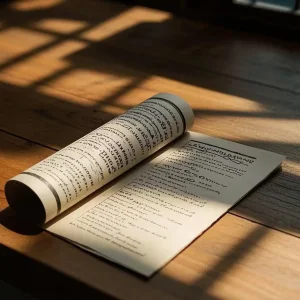
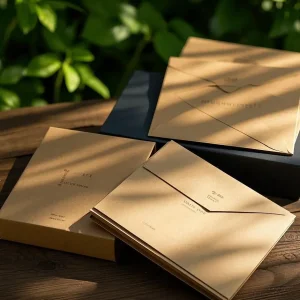
Tracing paper is not merely a transparent substrate; it is an engineered technical medium requiring highly controlled fiber preparation, chemical additives, and calendering configurations. Originally formulated for manual draftsmanship, tracing paper has evolved into a vital components in premium cosmetic packaging overlays, blueprint drawing reproductions, luxury brand inserts, and electrical insulation separators. Producing tracing paper suitable for high-speed printing requires minimizing dimensional changes when exposed to moisture (hygroexpansivity) while optimizing surface tension for ink adhesion.
Tianjin Port Free Trade Zone Jingkuo International Trade Co., LTD., utilizing its advanced mill operations in Dongping, Shandong, has addressed the critical problems associated with traditional translucent stocks. By implementing advanced hydration refining systems and specialized surface sizing agents, we ensure our tracing paper boasts exceptional ink absorption, tensile strength, and optical uniformity. This whitepaper explains the technical processes behind tracing paper manufacturing, explores our factory production capabilities, and explains why global industrial buyers rely on our integrated logistics network.
Tianjin Port Free Trade Zone Jingkuo International Trade Co., LTD. is a vertically integrated producer and exporter of specialty technical papers and packaging substrates. Boasting a rich manufacturing heritage of 15 years, our operational footprint spans from high-speed refining mills to customized logistics processing centers.
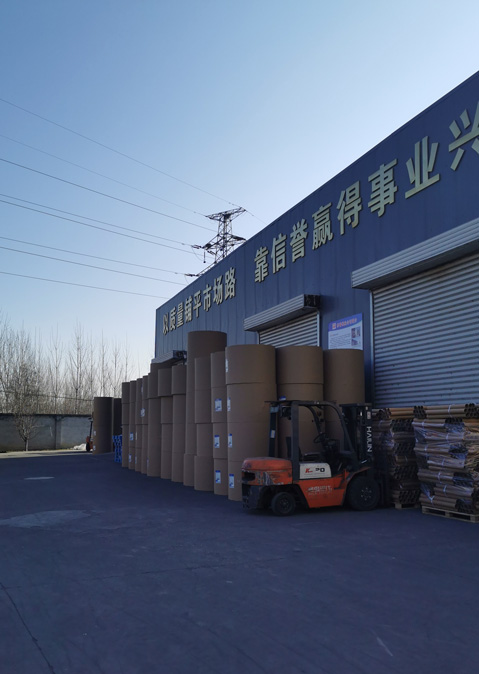
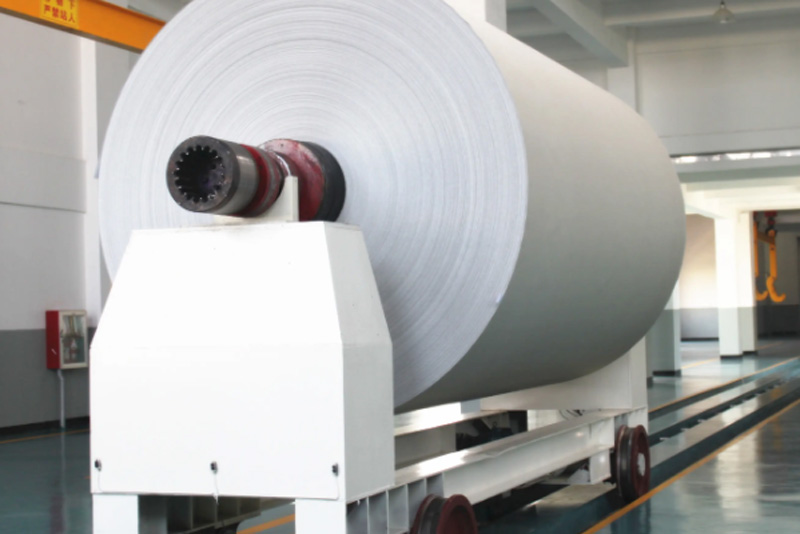
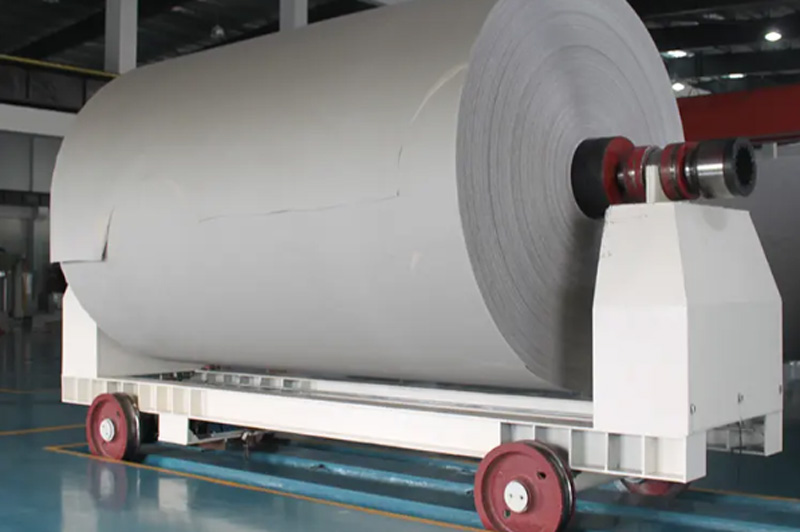
Our flagship production facility is strategically situated in Dongping, Shandong, China, covering an expansive 60,000 square meters. The plant operates eight advanced paper-making lines, complete physical testing laboratories, and a professional engineering division. With an annual production capacity approaching 60,000 metric tons, we possess the scale and capabilities to handle massive contract orders while maintaining the flexibility required for specialized ODM customized jobs.
Years of Industrial Development
Production Mill footprint
High-Grade Production Lines
Annual Manufacturing Output
Achieving outstanding print results on translucent substrates requires balancing fiber refining, transparency optimization, and surface printability. Below is our engineering blueprint to achieve these standards on our production lines:
Our tracing paper is composed of 100% virgin chemical pulp. We apply intensive hydration refining to fibrillate the cellulose fibers, eliminating air pockets between them. This structural configuration is key to the paper's characteristic translucency, allowing light to pass through with minimal scattering.
Because tracing paper is heavily beaten, its fibers are prone to swelling when exposed to moisture from water-based inks. We integrate custom sizing formulations (such as AKD and surface starches) to limit water absorption, preventing sheet curl and ensuring dimensional stability during high-speed multi-color printing.
Our eight production lines are equipped with supercalenders. Passing the paper web through these heated rolls under high pressure results in a Bekk smoothness score over 120 seconds. This smooth surface ensures excellent ink transfer and sharp halftone printing.
Conventional inks dry primarily through absorption into the paper fibers. However, tracing paper's dense, non-porous structure inhibits typical absorption. Our technical department modifies the surface energy of the paper to facilitate rapid UV and oxidative curing, preventing smearing and offsetting on packaging lines.
As the packaging industry seeks alternatives to single-use plastics, translucent tracing paper is emerging as an eco-friendly barrier option. Our R&D team is currently developing 100% recyclable, biodegradable translucent papers with enhanced grease-barrier and oxygen-barrier properties.
By applying bio-based coatings to our highly refined cellulose sheets, we aim to provide an eco-friendly alternative for food wrappers, cosmetics sleeves, and consumer electronics overlays. This sustainable approach helps brands meet strict plastic-free regulations without compromising on visual elegance.
Operating out of Dongping, Shandong, and utilizing Tianjin Port's free trade zone, Jingkuo combines advanced manufacturing with smart logistics. Our facility runs real-time digital monitoring to optimize raw material usage, track moisture content across the paper machines, and adjust slitting tolerances down to ±0.2mm.
We maintain deep relationships with certified pulp suppliers in northern Europe and South America. Our automated inventory management systems help prevent supply disruptions, ensuring a steady input of raw materials and stable pricing for our customers.
Our mill employs energy-efficient steam recovery systems during the drying phase of the paper machines. This optimization significantly lowers energy consumption per ton of paper produced, allowing us to pass the savings on to our clients.
Having our headquarters in the Tianjin Port Free Trade Zone offers distinct logistical and financial benefits. We can import pulp and export finished paper products efficiently, bypassing typical customs delays and keeping transport costs low.
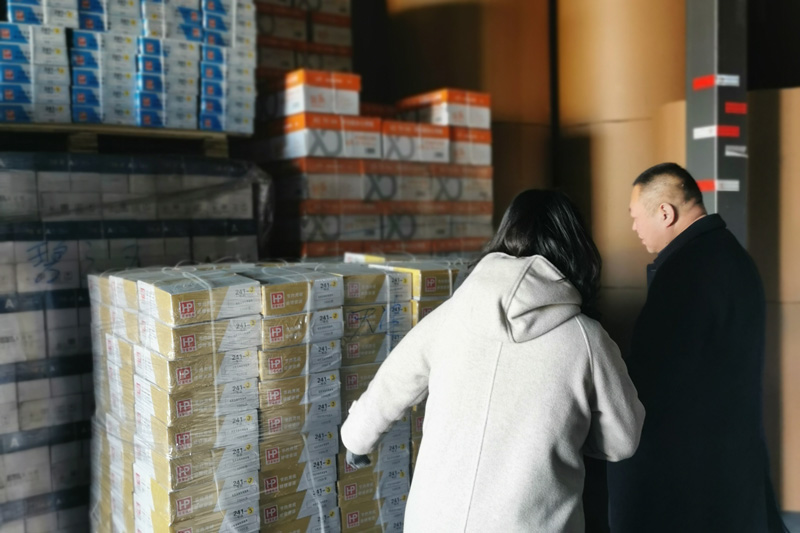
Our quality control laboratory tests paper samples every hour, measuring basis weight, thickness, tensile index, smoothness, and tear resistance. This consistent testing ensures that every roll or sheet meets your technical requirements.
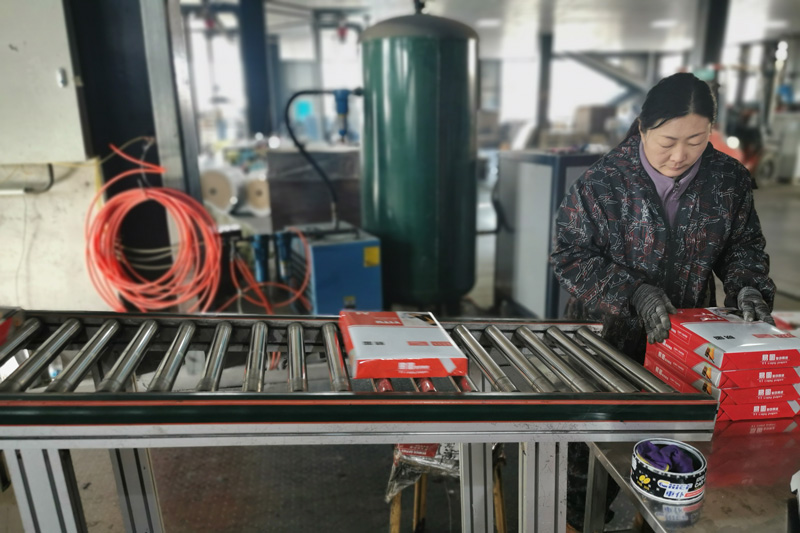
Jingkuo's mill operations run on a unified digital production system. Spanning across our large industrial footprint, our smart monitoring systems track variables from initial refining to the final rewinders. Our 10-member R&D team works closely with our 50 production employees, using real-time quality data to quickly adjust and optimize our papermaking processes.
This digital-first approach enables us to transition between different paper grades and basis weights with minimal downtime. It also provides our customers with full traceability, from raw pulp batches to the finished container shipment.
Jingkuo's paper products serve diverse industries around the globe. Our technical papers are tailored to meet the specific demands of these different markets:
Our technical tracing paper is engineered to withstand heat from laser plotters and ink from large-format inkjet printers, providing clean, sharp lines for draftsmen and architects.
We supply high-smoothness translucent paper wraps for luxury brands, perfumes, and premium cosmetics, offering a sophisticated look and feel.
Our acid-free, PH-neutral tracing papers are widely used to protect delicate glass plates, metal components, and photographic prints, preventing scratch damage and chemical reaction.
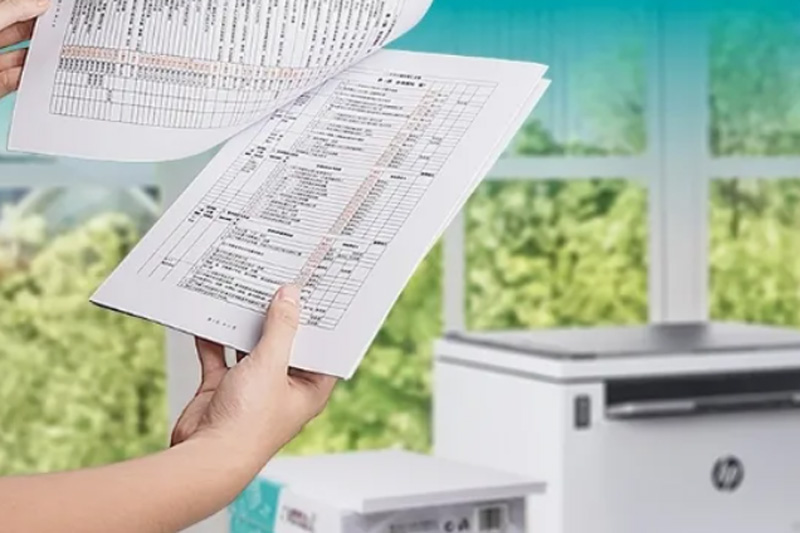
From high-volume offset printing to quick-turn digital print shops, we deliver consistent, jam-free copy papers, thermal rolls, and offset sheets.
We understand that international buyers face strict regulatory and quality requirements. Jingkuo has established a robust compliance program to ensure our products meet global environmental and safety standards:
We source our wood pulp from responsibly managed forests, offering FSC-certified products to help our clients meet strict environmental targets.
Our tracing and packaging papers undergo regular laboratory testing to ensure they are free from heavy metals and harmful chemicals, meeting EU import safety rules.
Our food-grade translucent papers are produced under sanitary conditions and certified for direct contact with dry and non-fatty food products.
We coordinate with shipping lines to offer flexible delivery options (FOB, CIF, DDP), helping clients manage their inventory and logistics costs efficiently.
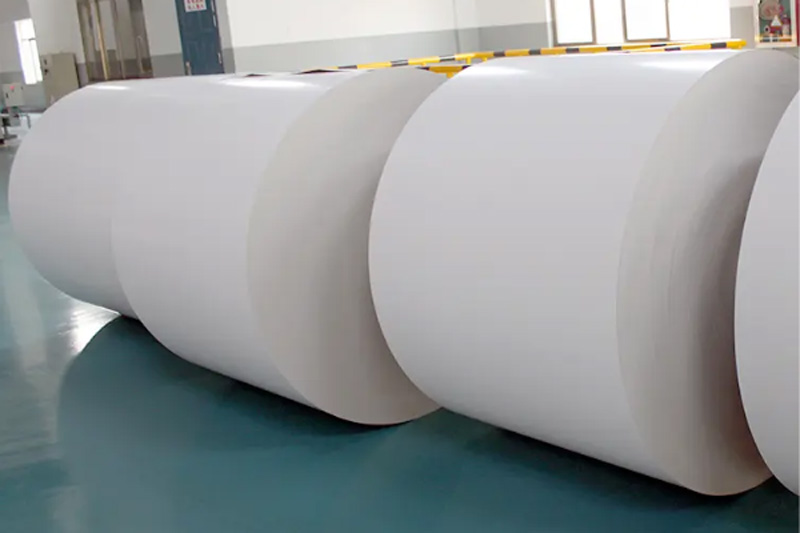
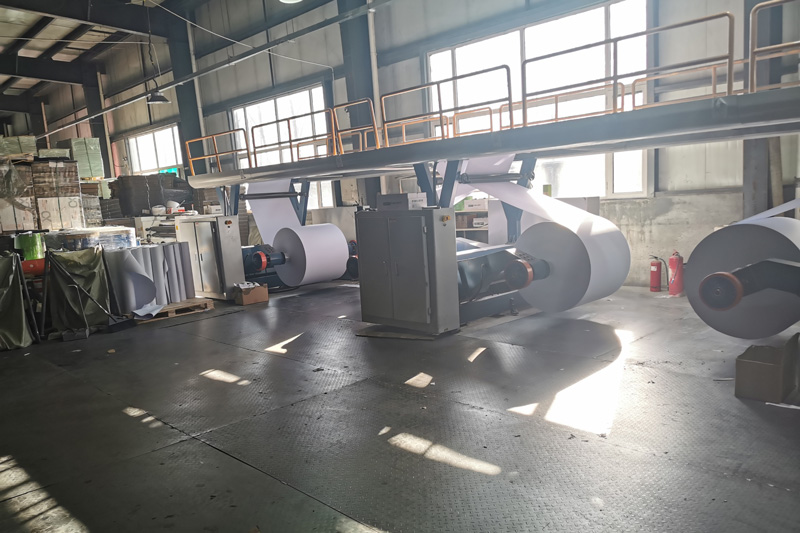
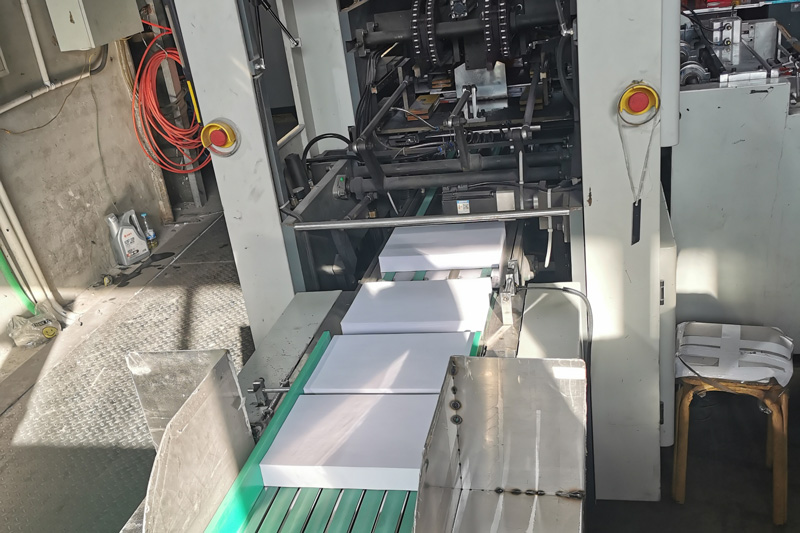
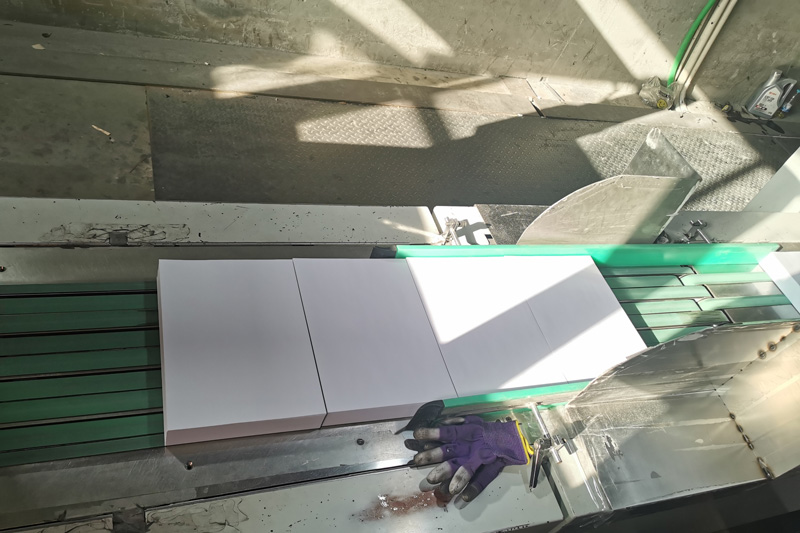
A virtual look at our modern facility in Shandong, showing our raw material handling, paper machines, finishing areas, and quality testing labs.


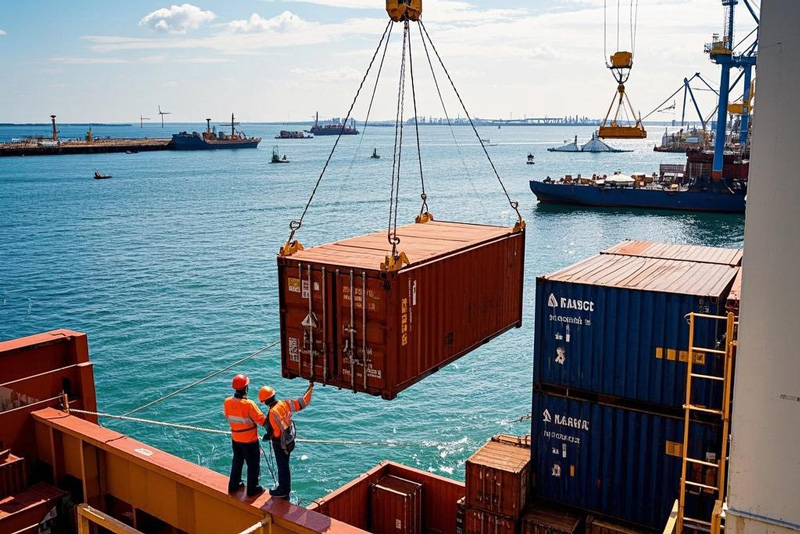
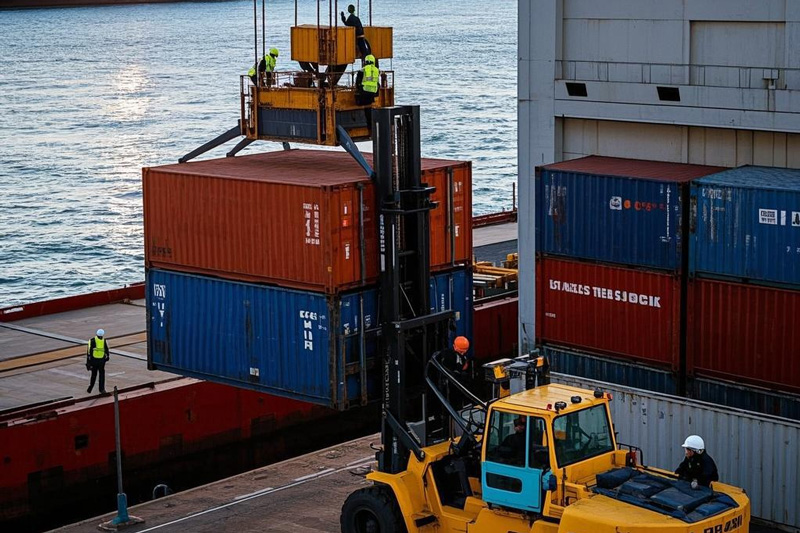
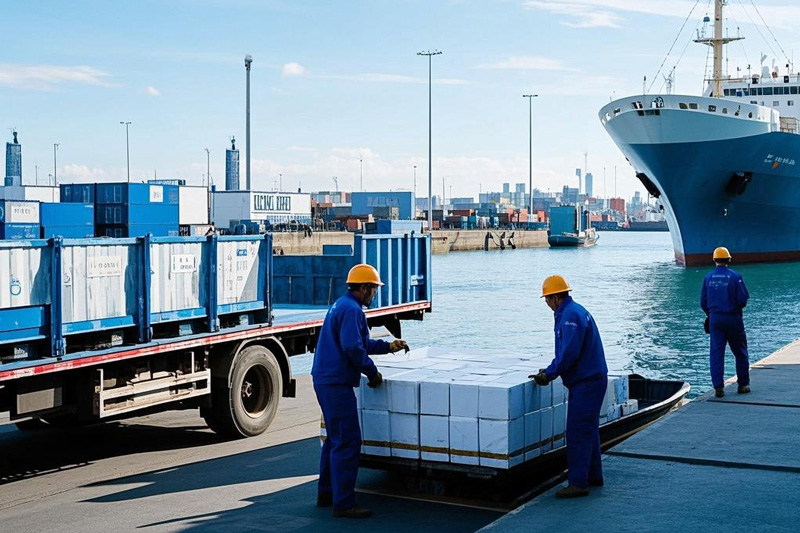
We partner with international retailers and local businesses, providing custom sizing, consistent supply, and cost optimization.

An international retail distributor faced supply chain bottlenecks. Using our overseas warehousing and production capacity, Jingkuo delivered custom, high-volume orders with consistent local shipping, resolving their inventory shortages.

A regional packaging converter struggled with rising paper costs. Jingkuo stepped in with our price-advantaged technical sheets, helping them reduce material costs by 20% while maintaining product strength.
Common technical and commercial questions answered by our engineering and logistics teams.
Tracing paper is made from highly beaten pulp fibers that absorb moisture easily, causing the sheet to swell and curl. Jingkuo addresses this by applying specialized sizing agents to the surface during production, which controls water absorption and helps keep the paper flat during printing.
Yes. We offer different grades designed for different printing technologies. Our high-temperature calendering allows our laser-rated sheets to handle hot toner systems without warping, and our coated inkjet sheets are designed to dry quickly and prevent ink bleeding.
Our standard MOQ is 5 metric tons for custom sizes and grammages. Standard sizes can often be ordered in smaller quantities. Lead times range from 15 to 25 days from deposit confirmation to port delivery, depending on production scheduling.
Yes. We source our wood pulp from FSC-certified forests. We also use recyclable kraft paper and moisture-barrier film for wrapping our rolls and pallets to ensure they arrive safely while keeping packaging waste to a minimum.
Shipping from our Tianjin facilities simplifies customs processing, reduces local transport time, and exempts us from some domestic taxes. This helps us keep logistics costs lower, which we pass along to our clients.
Browse our complete product range, featuring specialized packaging papers, custom box boards, thermal papers, and high-performance tissues.

 Jingkuo