Empowering global business operations through high-performance direct thermal coatings, advanced pulp processing, and precision industrial converting solutions.
Explore our high-performance industrial and commercial paper configurations exported globally.





Analyzing macro trends, raw pulp sourcing, coating chemistry, and logistics in the global transactional media market.
In the modern commercial landscape, the transactional physical receipt acts as a crucial touchpoint between enterprise businesses and their consumers. Direct thermal paper, primarily utilized in Point of Sale (POS) terminals, represents a highly engineered system designed to deliver legibility, durability, and printing efficiency at scale. With the rise of high-frequency transactions in retail, dining, logistics, and medical environments, the global demand for optimized Original Design Manufacturer (ODM) POS paper solutions has grown exponentially. Advanced manufacturers are no longer merely cutting paper rolls; they are material scientists engineering coatings that protect printheads, preserve archive life, and comply with rigid environmental regulations.
The operational magic of POS thermal paper resides within its multi-layered functional coatings. A typical direct thermal sheet consists of a base paper substrate, a pre-coat layer that insulates heat and ensures smooth surface topography, and a thermal active layer containing dye precursors, sensitizers, and color developers. When heat is applied by the microscopic elements of a thermal printhead, the dye precursor (often a leuco dye) and the developer melt, merge, and react chemically to produce a visible dark image. Historically, Bisphenol A (BPA) was the dominant developer utilized in this process. However, regulatory shifts globally—most notably EU Regulation 2016/2235 and various North American state initiatives—have mandated strict transitions to BPA-free and phenol-free alternatives (such as BPS or completely non-phenol developers). As a leading ODM supplier, Jingkuo has restructured its chemical procurement pipelines to prioritize safe, sustainable, and highly stable developer agents that guarantee deep black imagery without compromising user health or environmental standards.
Precision converter capabilities define the physical reliability of POS rolls. Variances in roll width by a fraction of a millimeter can lead to jamming in portable retail thermal printers, while excessive slitting dust will quickly coat thermal printheads, causing premature failure. Our manufacturing facility utilize automated slitting machines operating within tight tolerance parameters. Furthermore, we calibrate roll tension to prevent core slippage or overly tight roll winding that causes feeding resistance. Below is the technical specification profile of our premium-grade direct thermal POS paper:
| Parameters | Standard Specifications | Testing Protocol / Compliance |
|---|---|---|
| Grammage / Thickness | 48 gsm, 55 gsm, 65 gsm, 70 gsm, 80 gsm | ISO 536 / Tappi T410 Standards |
| Direct Thermal Developers | BPA-Free, BPS-Free, Total Phenol-Free configurations | EU Reach, FDA Food Contact Compliance |
| Whiteness / Brightness | ≥ 85% to 92% | ISO 2470 Brightness Testing |
| Image Stability & Preservation | Up to 5 - 10 Years (Under controlled archives) | Resistance to Heat, Oil, Plasticizers, and UV |
| Smoothness (Bekks) | ≥ 300 seconds (Thermal Side) | ISO 5627 Surface Profiling |
| Core Configurations | Plastic, Cardboard, Coreless (12mm, 13mm, 25mm ID) | Custom engineered for mobile/stationary terminals |
Integrating world-class raw materials with advanced converting machinery for over 15 years.
Tianjin Port Free Trade Zone Jingkuo International Trade Co., LTD is a market-leading manufacturing and trading conglomerate. Operating a state-of-the-art 60,000 square meter production facility in Dongping, Shandong, China, we specialize in high-efficiency paper processing, packaging, and custom converting. Our facility houses 8 high-grade production lines, backed by robust testing laboratories and a meticulous quality control department. With an annual output reaching approximately 60,000 tons, our products serve a diverse client base across Europe, the Middle East, Asia, and Africa.
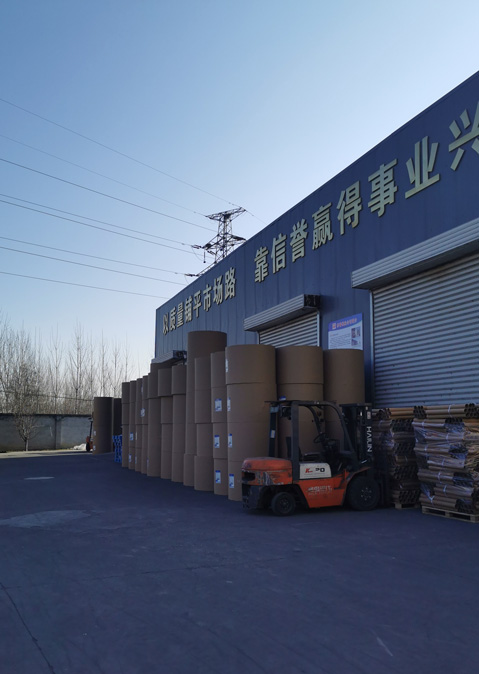
How we combine advanced supply chains, geographic location, and technological investments to support global growth.
Our strict quality control system ensures that raw materials and converted final rolls adhere to rigorous standards, guaranteeing seamless feeding and zero dust formation.
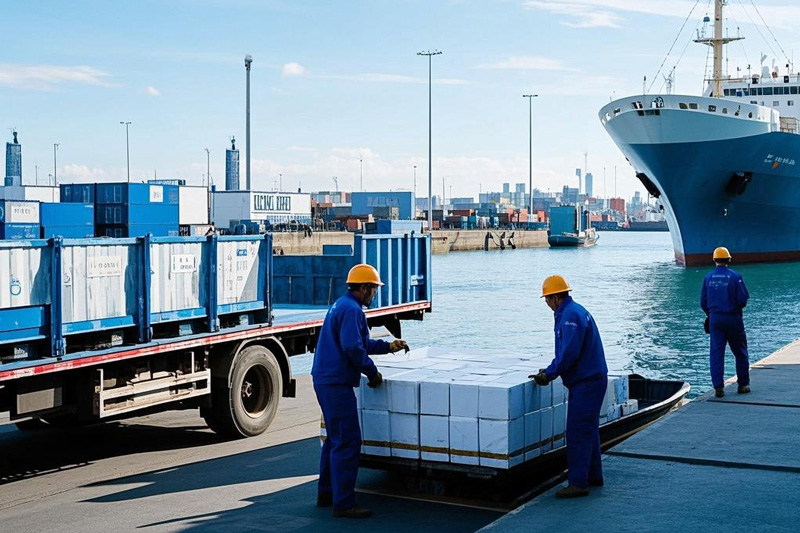
Leveraging the policy benefits of the Tianjin Port Free Trade Zone, we optimize lead times, lower duty costs, and coordinate international shipments with maximum cost-efficiency.
We build deep relationships with distribution agents and retail corporations, ensuring custom branding, protective outer packaging, and seamless customs operations.
Customizing specialty paper products to align with regional standards, environmental challenges, and operational needs.
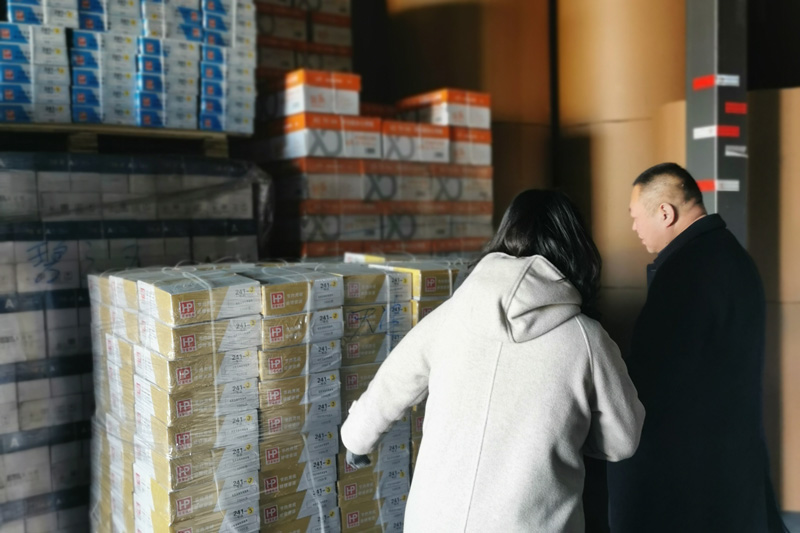
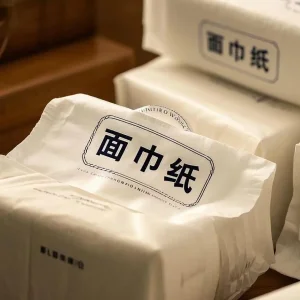
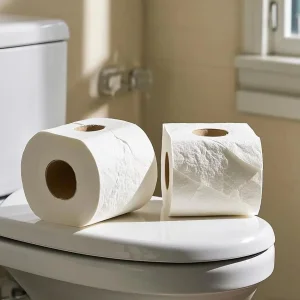
Our dynamic production floor accommodates a vast range of products: household tissues, Jumbo Roll Base Paper, Toilet paper Rolls, Facial Tissues, Hand towels, Handkerchiefs, and Napkins. On the industrial and publishing side, we process copy paper, Ivory board (GC1/GC2), coated paper, uncoated paper, paper cup base stock, non-plastic board, gold and silver aluminum laminate, double-side duplex board, NCR paper, thermal paper, cellophane, sublimation paper, GC4, and kraft paper. This vast manufacturing capability allows us to offer robust ODM solutions tailored for global brands and multi-national distribution houses.
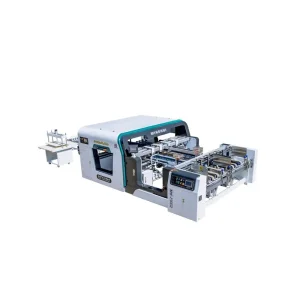
Every commercial region has distinct environmental, logistics, and legal frameworks governing paper products. In South Africa, for instance, premium medical-grade paper must meet strict barrier protection and hygiene standardizations to ensure patient safety in medical record keeping and clinical sterilization wrapping. Across the African continent, there is a rising demand for specialized tissue products tailored for daily use, combining soft textures with durable tensile strength. Meanwhile, fast-developing commercial hubs like India require highly efficient processing machinery—such as high-speed A4 copy paper cutters—to support localized packaging operations and mitigate import dependencies on finished stationery products. Jingkuo actively solves these regional problems by providing tailored raw materials, customizable roll widths, and advanced technical machinery support.
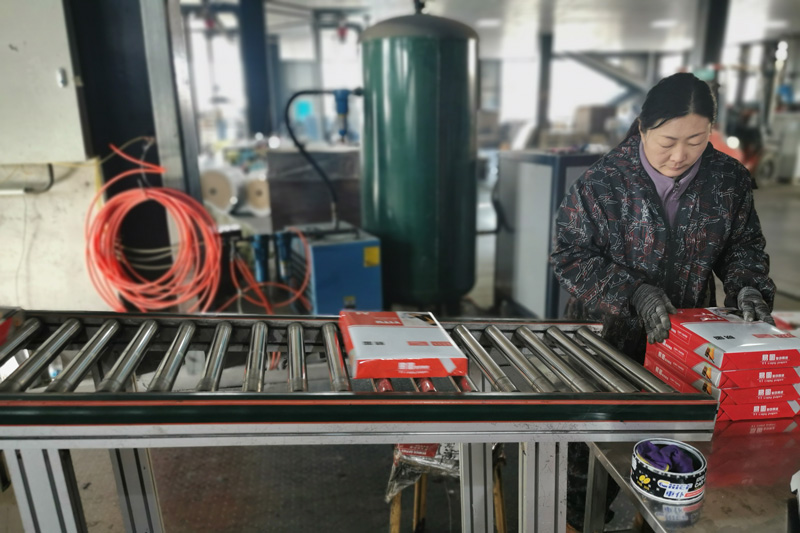
Investing in intelligent automation, real-time quality testing, and dynamic operations.
Our Shandong facility integrates digital production monitoring systems, optimizing feedstock consumption and reducing raw material waste during cutting and slitting.
A dedicated engineering team tests coating durability, developer sensitivity, and chemical safety, keeping Jingkuo aligned with evolving chemical compliance laws.
We source raw pulp from sustainable forest programs, offering FSC-certified options, biodegradable coatings, and recyclable paper solutions to reduce carbon footprints.
Discover how our global supply chains and cost optimization programs help our partners grow.

An international retailer faced frequent stock shortages and print quality inconsistencies. By leveraging Jingkuo's large stock capacity and logistics hubs, we secured a steady supply of customized direct thermal paper, eliminating operational downtime.
View Case Study →
A regional distributor struggled with high procurement costs. Through our free-trade zone program, they optimized customs costs, achieving a 20% total savings while improving overall paper thickness and print consistency.
View Case Study →A visual showcase of our 60,000 sqm production facility, warehousing, and testing operations in Shandong.
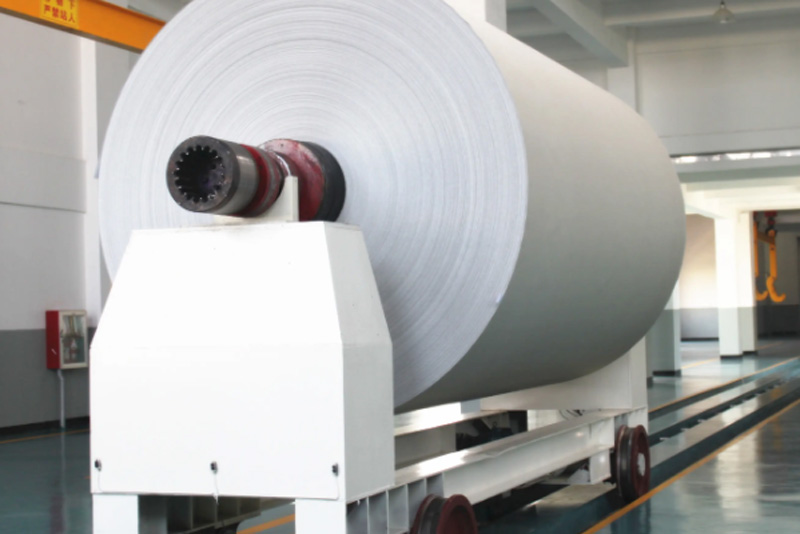
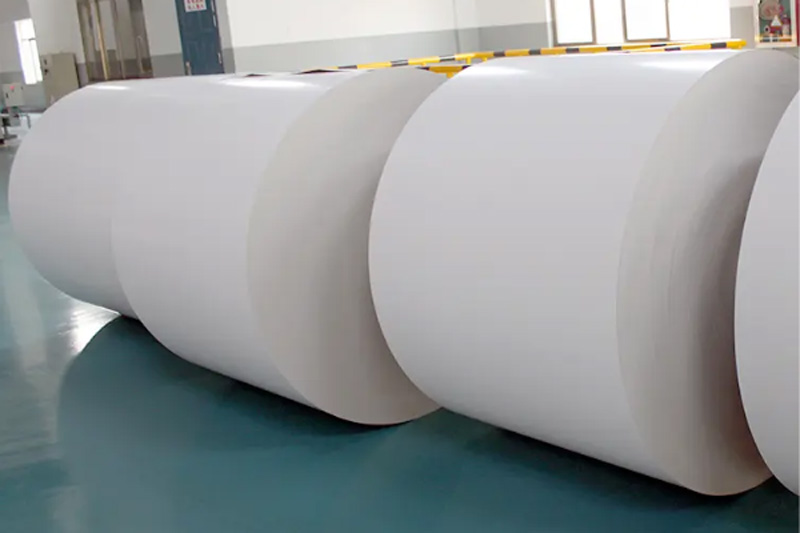
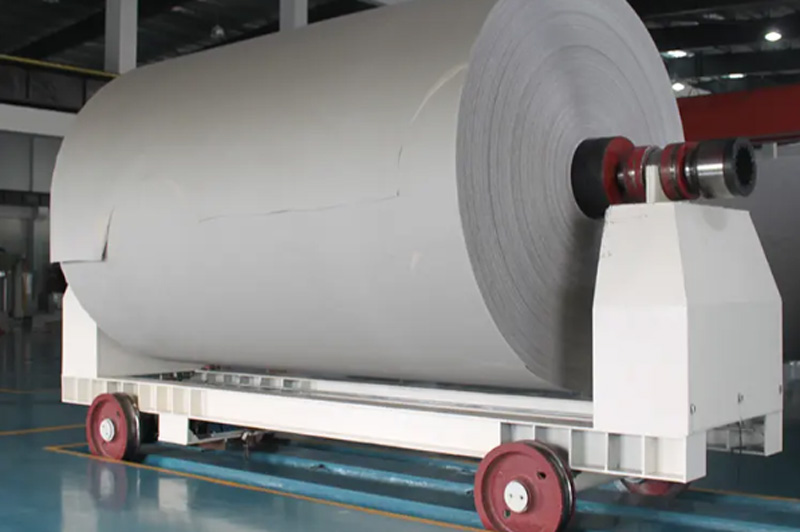
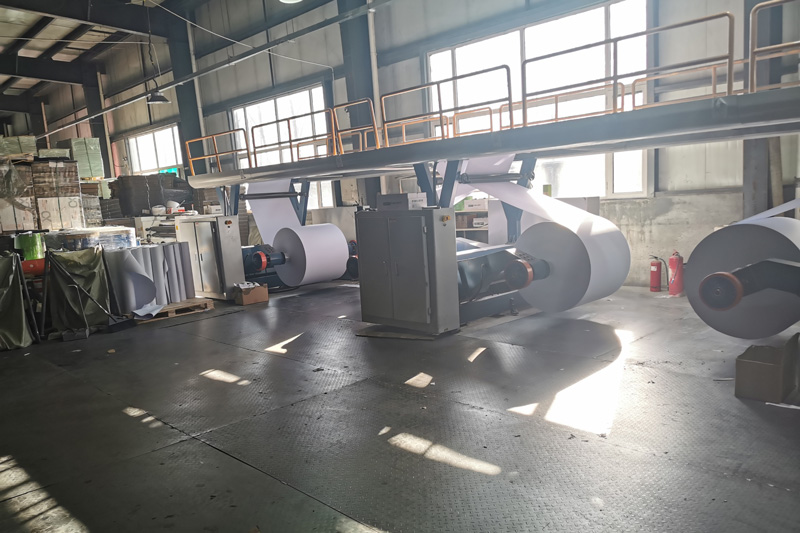
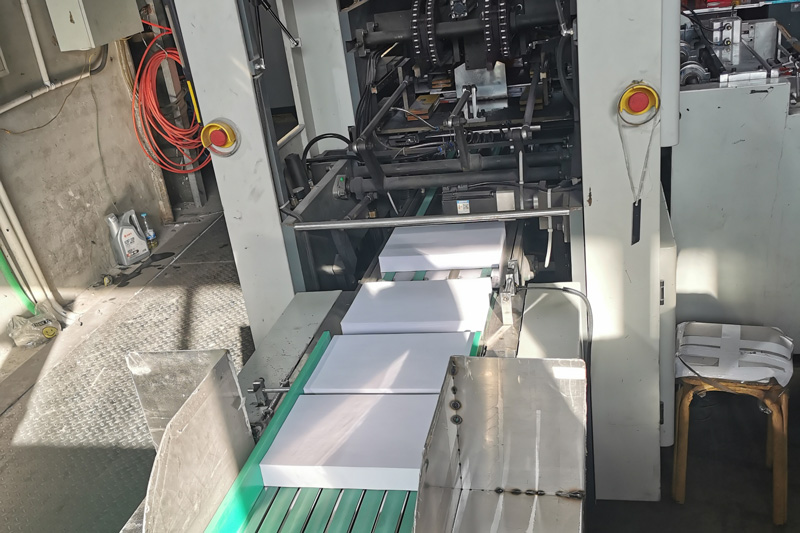
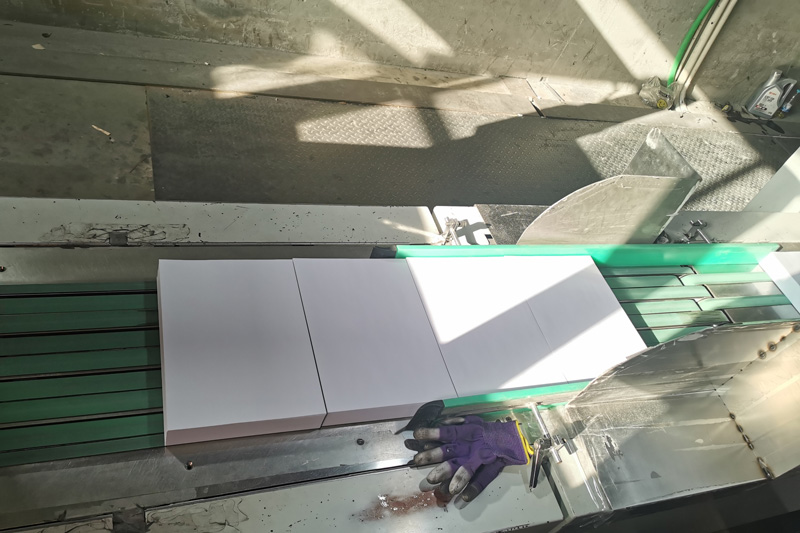


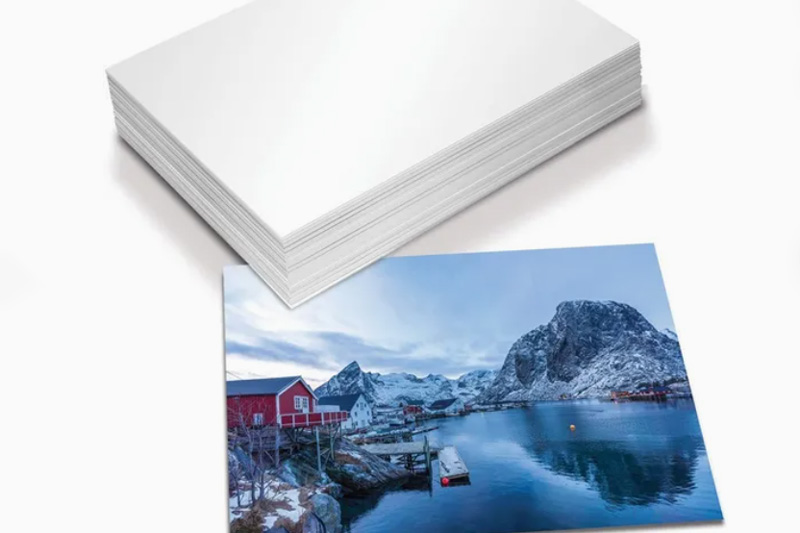
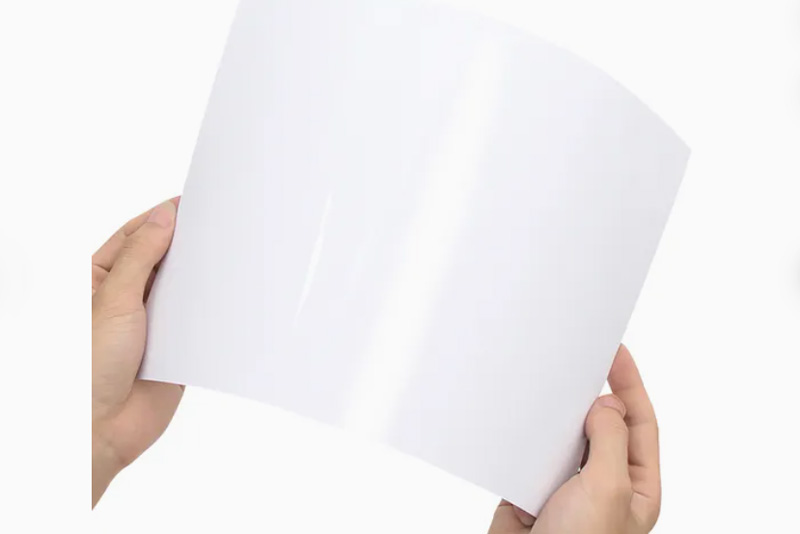
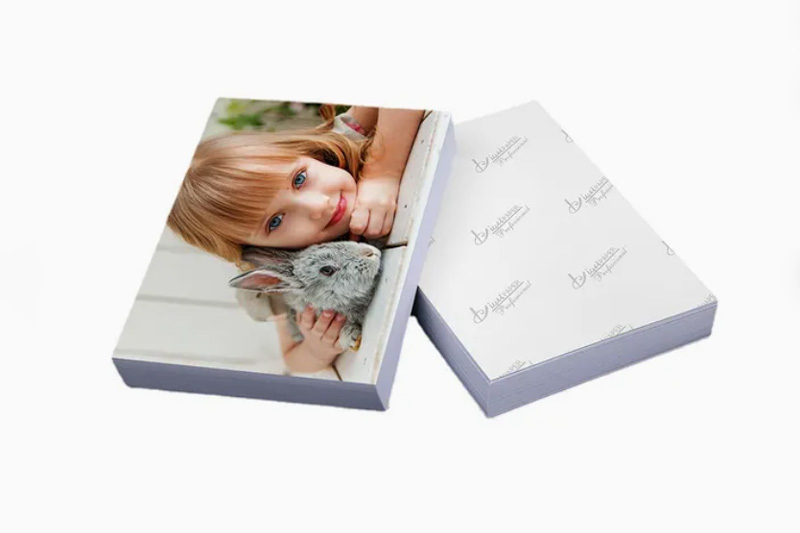
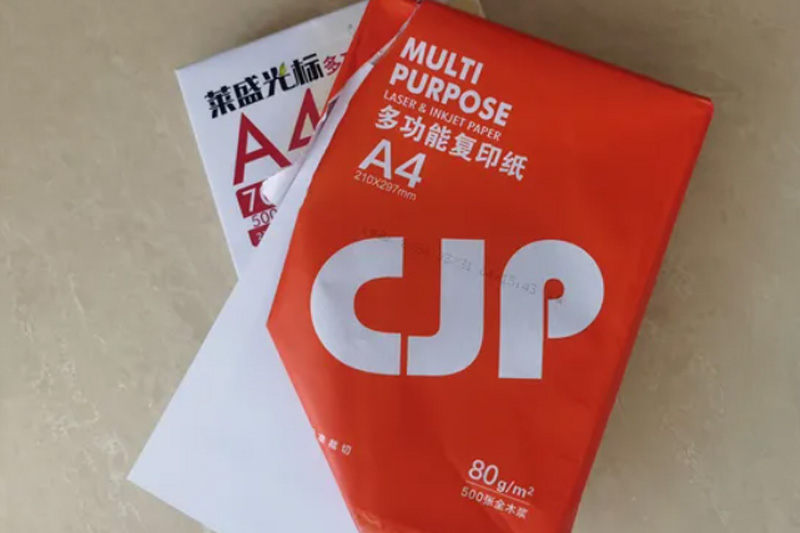
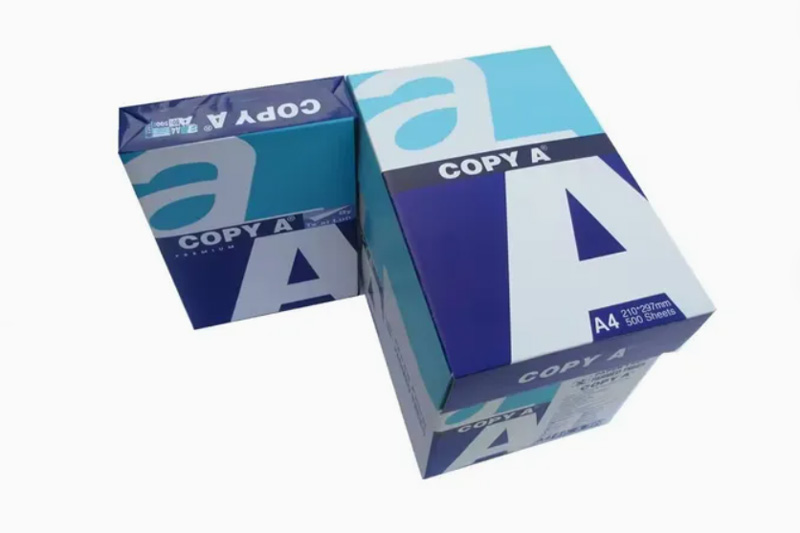

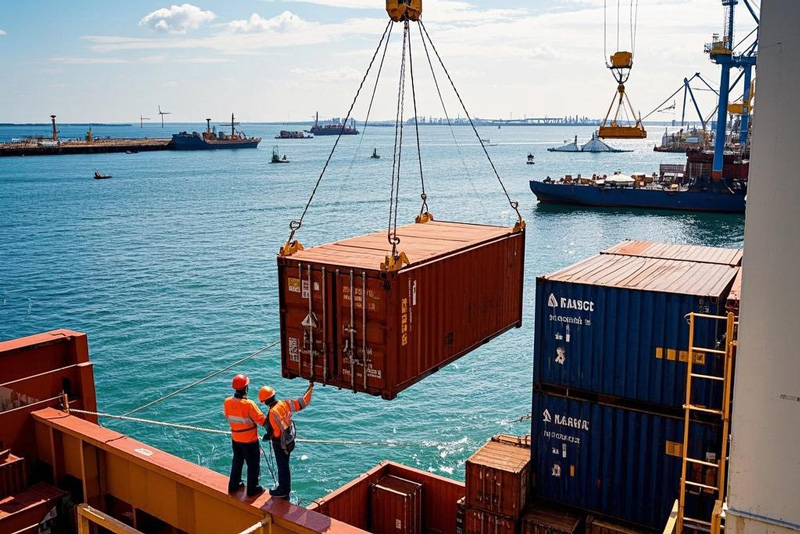
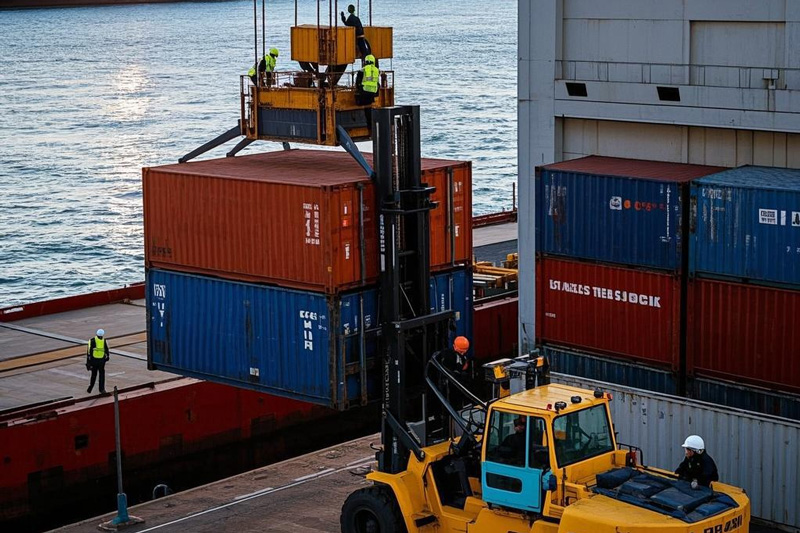
An in-depth look at our factory processes, from raw base paper selection to dust control and final packaging.
The manufacturing process of direct thermal paper rolls is divided into two primary phases: coating and converting. Each step requires strict quality controls to ensure the final product stands up to real-world commercial environments.
High-quality thermal paper starts with a premium wood pulp base. The density, moisture levels, and surface smoothness of this substrate are critical. A uniform base paper prevents uneven coating penetration, which is a major cause of print quality dropouts. At Jingkuo, we source raw wood pulp from certified sustainable forestry programs. This ensures consistent fiber length, optimal tensile strength, and excellent processing durability.
Next, the base paper moves to the coating station. Here, a pre-coat is first applied to insulate heat and improve smoothness. Once dried, the active thermal dye layer is layered on top. This chemical coating contains a precise mix of color developers, sensitizers, and color-forming leuco dyes. It is essential that this layer is applied with extreme precision, as even minor variances can cause uneven print sensitivity and dark spots when exposed to the thermal printhead.
After coating, the paper passes through high-pressure calendering rollers. This process uses heat and pressure to polish the paper surface, ensuring a smooth finish. High smoothness (a Bekk value above 300 seconds) is vital for optimal heat transfer from the POS printhead to the paper, allowing for clear prints at lower heat levels. Once calendered, the paper is carefully dried to prevent moisture imbalances that could cause curling during shipping.
The finished jumbo rolls are loaded onto high-speed slitting machines to be cut into commercial sizes (e.g., 80mm x 80mm, 57mm x 40mm). Our automated slitting lines feature real-time edge alignment and dust collection hoods to capture paper fibers released during cutting. Keeping rolls dust-free protects POS printheads from buildup and early wear. We also calibrate tension controls to ensure rolls are wound tightly enough to prevent core slippage, but loosely enough to feed smoothly through mobile and stationary terminals.
Technical answers to common questions about thermal POS paper, custom specifications, and ordering.
Explore our complete catalog of commercial packaging papers, office sheets, and machinery.

Get in touch with our team today to request custom samples, verify chemical certifications, or discuss bulk pricing options for your market.
Contact Us Now Jingkuo