Explore our premium grade copy, offset, kraft, and brochure papers engineered to deliver high-fidelity printing results across diverse commercial applications.

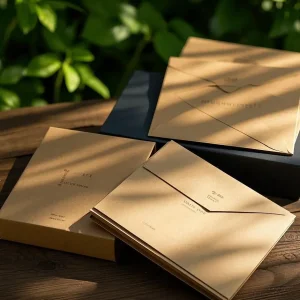

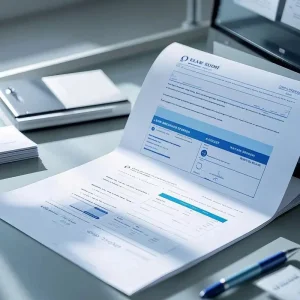
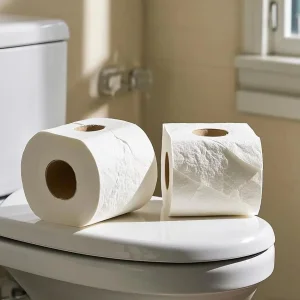
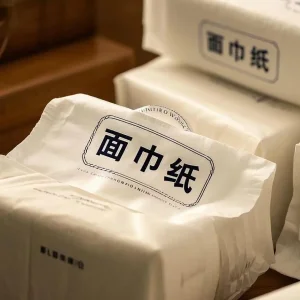
Integrating Advanced Production & Global Trade Excellence
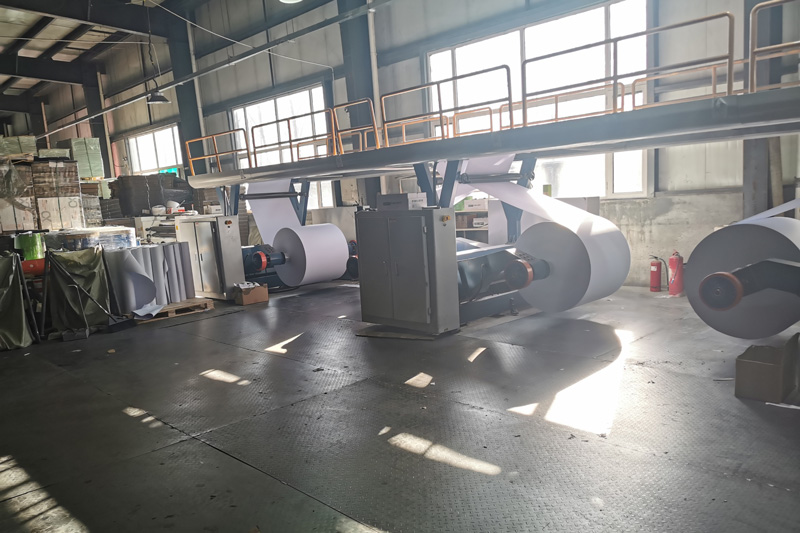
Tianjin Port Free Trade Zone Jingkuo International Trade Co., LTD is a premier company integrating production and trade with a manufacturing history of 15 years. Our dedicated production plant is located in Dongping, Shandong, China, covering an area of 60,000 square meters. The plant operates 8 high-grade production lines, complete testing equipment, and is supported by a professional design team and quality control personnel. With a number of international certifications, our annual production capacity has reached approximately 60,000 tons.
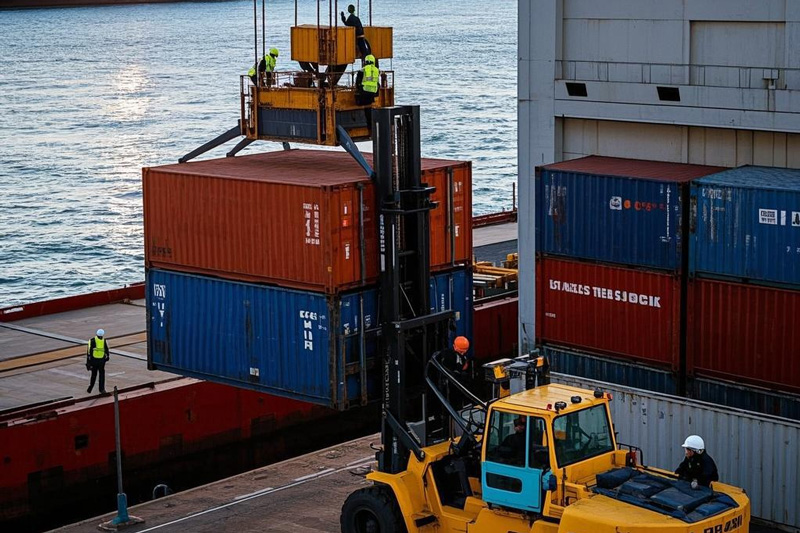
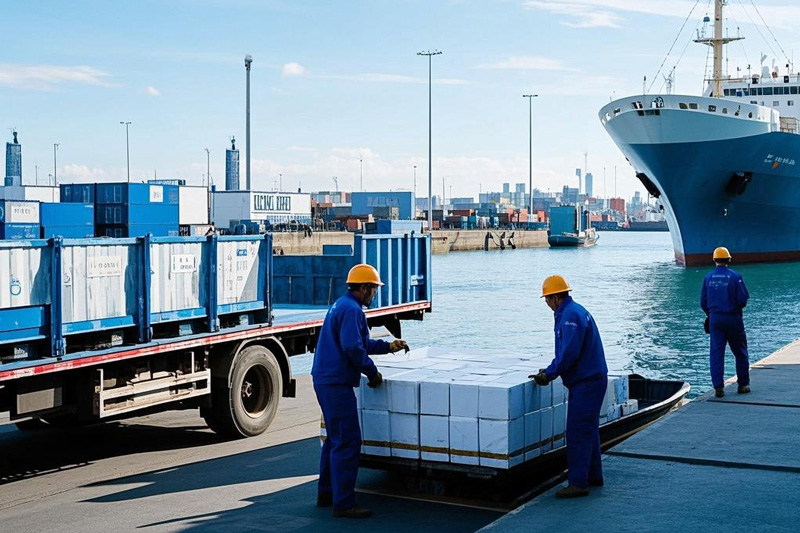
Leveraging the strategic location within the Tianjin Port Free Trade Zone, Jingkuo achieves streamlined customs processing, duty optimization, and efficient sea freight logistics, passing these cost savings directly onto global buyers. Our commitment to supplying robust packaging paper, office paper, and specialized board products forms the foundation of our long-term client partnerships.
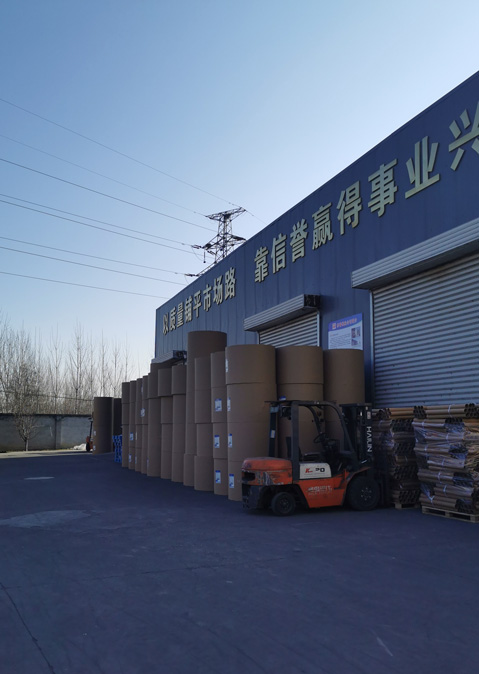
Analyzing key market drivers, tactile demands, and industrial applications of premium card stocks worldwide.
In the digital age, tactile brand experiences remain a critical touchpoint for commercial engagements, luxury branding, and corporate communications. Calling card paper, typically defined as heavy-weight paper or cardstock ranging from 250gsm to 400gsm, lies at the intersection of print technology and premium aesthetic value. Despite the growth of digital networks, physical calling cards, loyalty VIP cards, and high-end hangtags continue to serve as indicators of professionalism, credibility, and brand hierarchy.
The global demand for high-quality card stock has witnessed a shift toward multi-functional coatings and eco-friendly raw pulp. Large-scale procurement departments across North America, Europe, and Asia-Pacific prioritize metrics such as stiffness (taber stiffness), opacity, smoothness, and thickness consistency. Calling card papers must support post-press technologies, including hot foil stamping, blind debossing, spot UV coating, and digital die-cutting. This requires base card stocks to possess exceptional fiber density and internal bond strength to prevent structural cracking during mechanical folding or pressure-intensive embossing operations.
Moreover, modern packaging lines have integrated calling card paper formats into micro-packaging sectors, such as pharmaceutical blister sleeves, luxury watch presentation enclosures, and organic cosmetics packaging inserts. The demand for customizable thickness metrics and specific surface textures (such as matte silk, linen finish, and gloss coatings) has spurred the growth of ODM (Original Design Manufacturer) partnerships. Global buyers can no longer rely on off-the-shelf catalog products; they require customized pulping recipes, tailored coatings, and bulk rolls cut to strict tolerances.
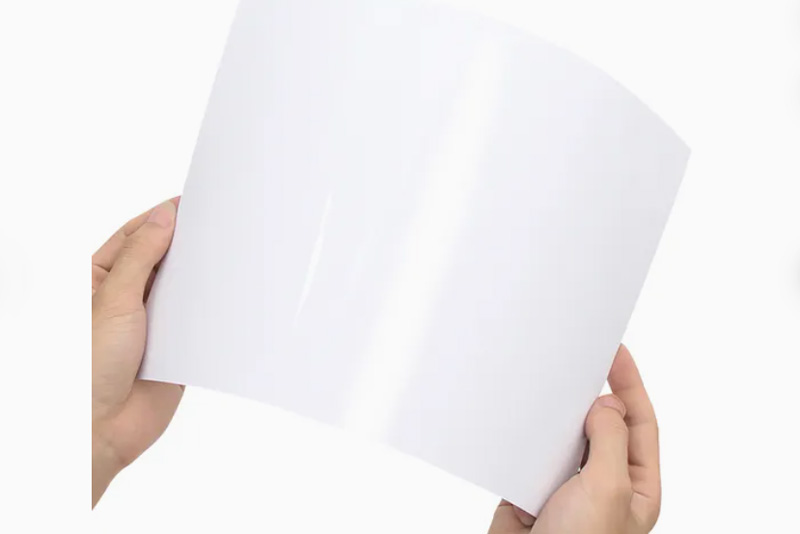
Industrial calling card papers require optimized fiber layering to maintain structural flatness, ensuring the card does not warp under variable humidity profiles.
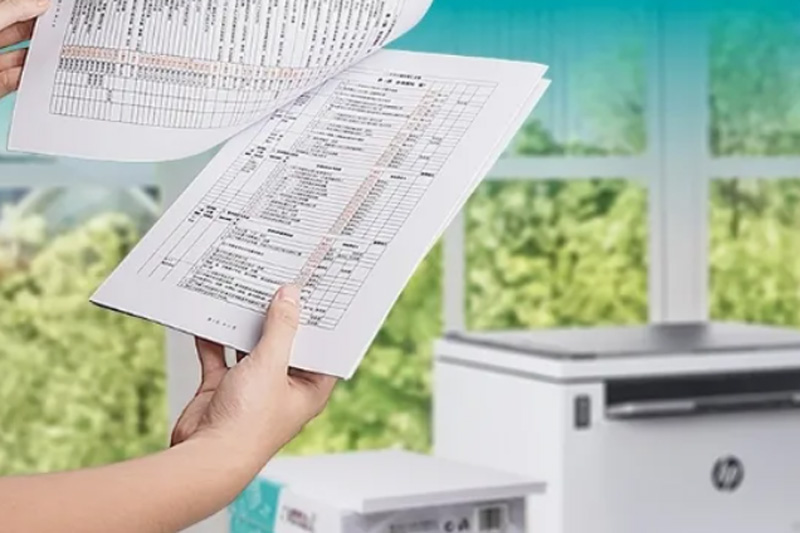
Support for digital, offset, and flexographic ink absorption without ghosting, smudging, or loss of edge definition in small font applications.
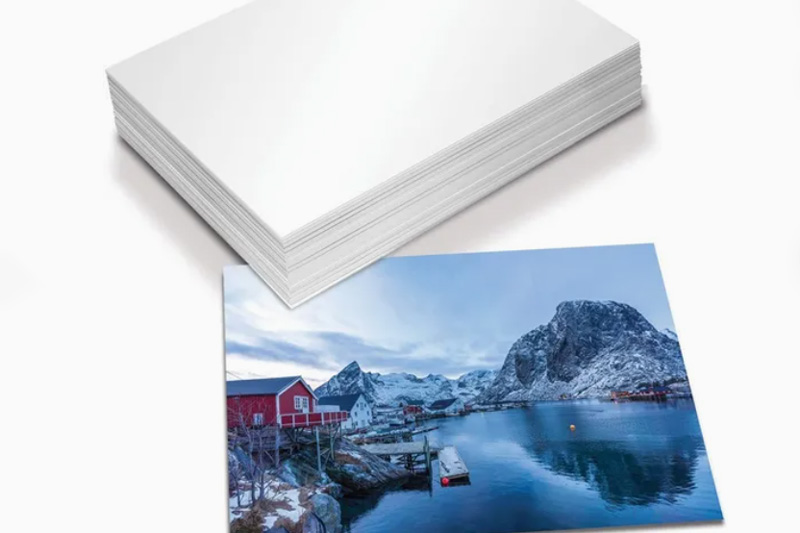
Double-sided kaolin clay coatings guarantee high brightness (GE brightness scale > 92%) and superb dimensional stability under intense heat drying.
Discover how Jingkuo utilizes localized supply chains, advanced technology, and free-trade zone benefits to deliver global excellence.
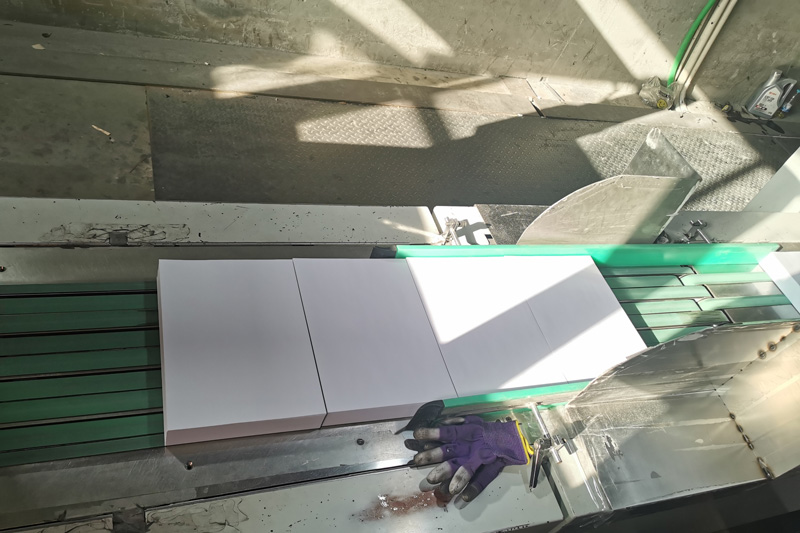
Chinese manufacturing plants offer unmatched supply chain integration. From pulp sourcing through to automated cutting, slitting, and pallet packaging, our operations minimize manual touches. Operating 8 high-grade production lines at our Dongping, Shandong plant yields a high response speed, making sure lead times for large-scale orders are consistently kept to under 21 business days.
By routing trade through the Tianjin Port Free Trade Zone, Jingkuo leverages duty exemptions on raw material imports, warehouse consolidation, and expedited customs channels. This allows us to reduce processing costs, enabling highly competitive pricing without sacrificing the paper's mechanical properties, brightness, or density profile.
We deploy real-time automated visual inspection scanners along our paper machine lines. These laser systems instantly identify physical defects, pinholes, color deviations, and caliper variances. Our in-house QC laboratory continuously tests for tensile strength, Cobb moisture absorption indices, and taber stiffness levels prior to dispatch.
Our 2-hectare industrial campus relies on digital management tools to map raw material usage. With our active R&D division, we continually optimize our coatings to support the latest UV-curing inks and eco-friendly soy-based inks, serving the strict requirements of global commercial printers.
How different regions and industries deploy customized paper formulations to achieve localized business goals.
Different markets present highly diverse operating environments. Our ODM card stock formulas are adapted to handle these localized challenges:
In mature markets like the US and Canada, corporate identities demand thick, highly tactile card stocks with heavy textures, such as cotton-blended papers or premium linen-embossed stocks. The thickness of choice is typically 300gsm to 400gsm (14pt to 18pt). The key criterion is clean edge-cutting performance during letterpress printing or laser engraving, ensuring no carbonization or edge fraying occurs.
European Union directives place strong emphasis on circular economies and chemical safety. Brands require calling card paper profiles that comply with REACH regulations and FSC (Forest Stewardship Council) certifications. These card stocks are utilized for clothing hangtags, luxury perfume box inserts, and artisanal retail cards. High opacity is mandatory to allow dual-sided printing without color bleed.
For rapidly evolving commerce across Africa, businesses prioritize durability and cost-efficiency. Card stock must withstand high-temperature and high-humidity ambient storage conditions without curling or losing rigidity. Jingkuo's specialized moisture-resistant sizing chemicals ensure that cards distributed in coastal areas retain their shape and structural strength.
With the rise of NFC (Near Field Communication) and hybrid smart cards, calling card paper is frequently laminated as protective outer layers enclosing thin internal microchips. This demands a smooth, ultra-flat paper surface with precise moisture content control (typically 4.5% to 6%) to prevent delamination during heat-sealing phases.
Jingkuo offers high-performance papers and tissue products, matching the strict standards of retail, printing, packaging, and commercial industries.
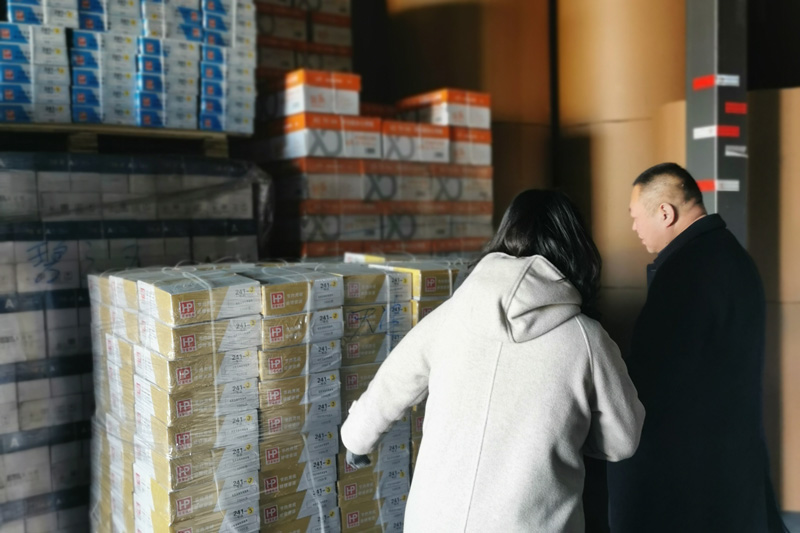
Our catalog goes beyond standard calling card stock to cover all essential paper categories. We manufacture and supply:
All items are fully customizable in terms of sheet sizes, basis weight (GSM), surface textures, and private label packaging configurations.
Our products are exported to the Middle East, Europe, Asia, Africa, and the Americas, earning praise for competitive pricing, reliable logistics, and high quality.
We work with regional dealers, packaging converters, and corporate printing houses. By signing long-term partnership agreements and establishing local distributor networks, we help our partners secure steady market shares. We operate on a simple principle: Our customers' brand success is our ultimate goal. We deliver tailored product solutions and logistics tracking to safeguard your business interests at every step.
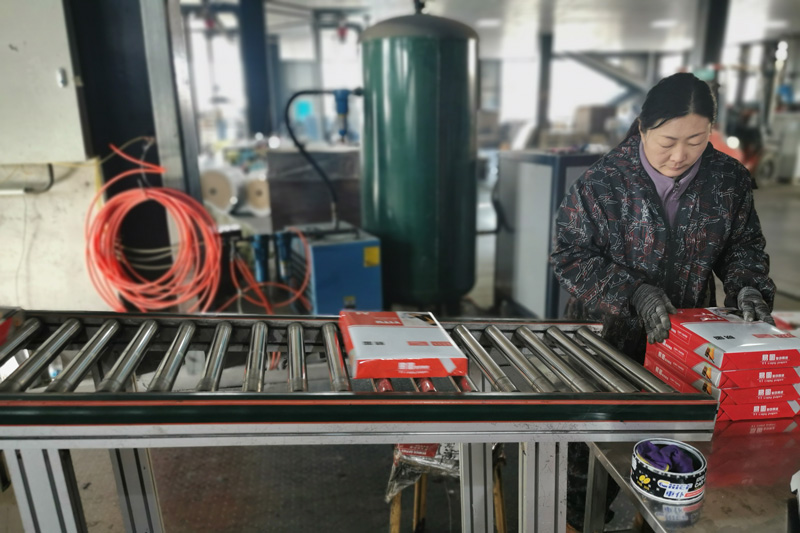
Real-world solutions demonstrating our capability in supply chain resilience and cost optimization.

A major international retail chain was experiencing supply chain disruptions, resulting in packaging shortfalls. Jingkuo leveraged its 8 high-grade production lines and strategically located free-trade zone warehouses. We provided a stable, continuous supply of custom-sized packaging board and calling card inserts, slashing delivery lead times and ensuring their packaging lines stayed operational.

A regional boutique printing house struggled with rising local merchant prices for high-quality card stock. By switching to Jingkuo’s ODM Calling Card Paper solutions, they bypassed third-party distributors. The printing house achieved a 20% reduction in direct material costs while maintaining the strict print quality and paper thickness their corporate customers demanded.
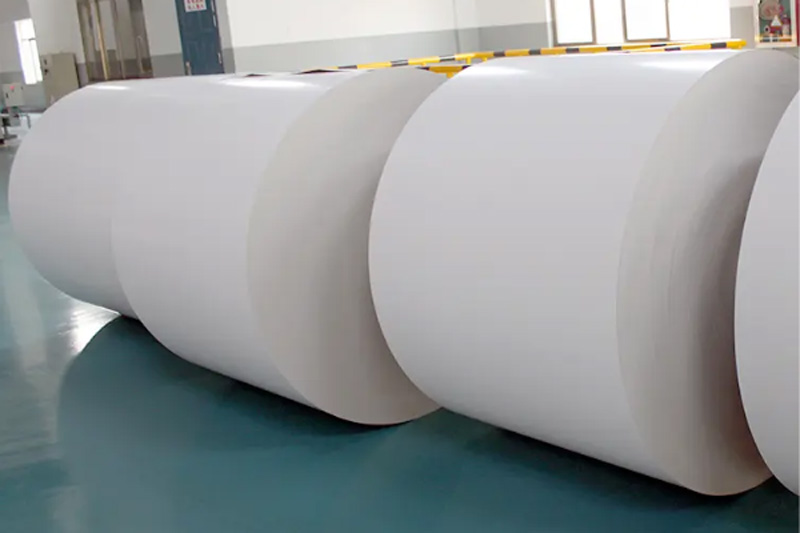
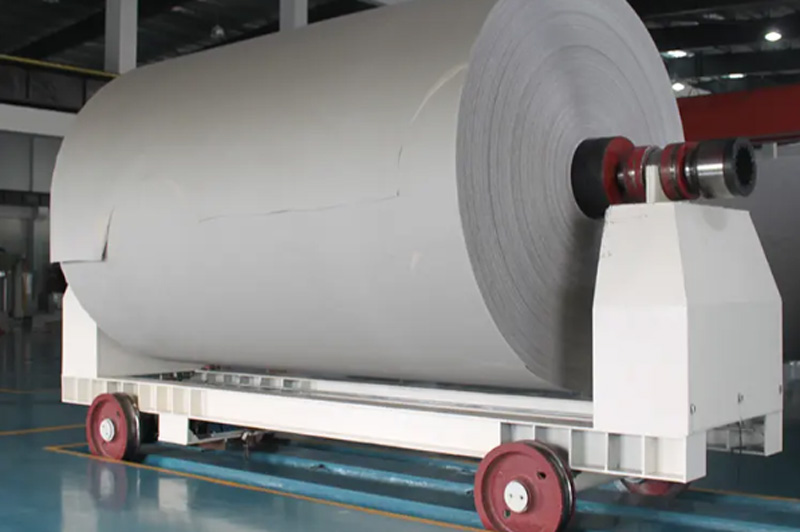
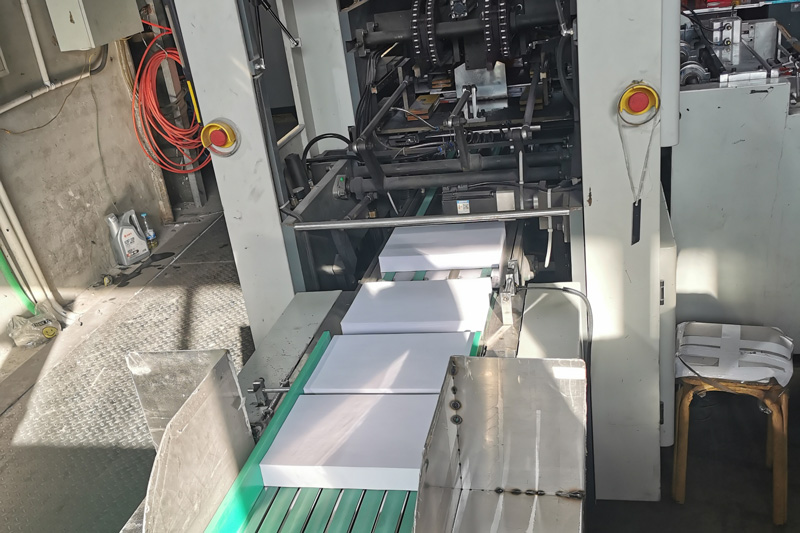
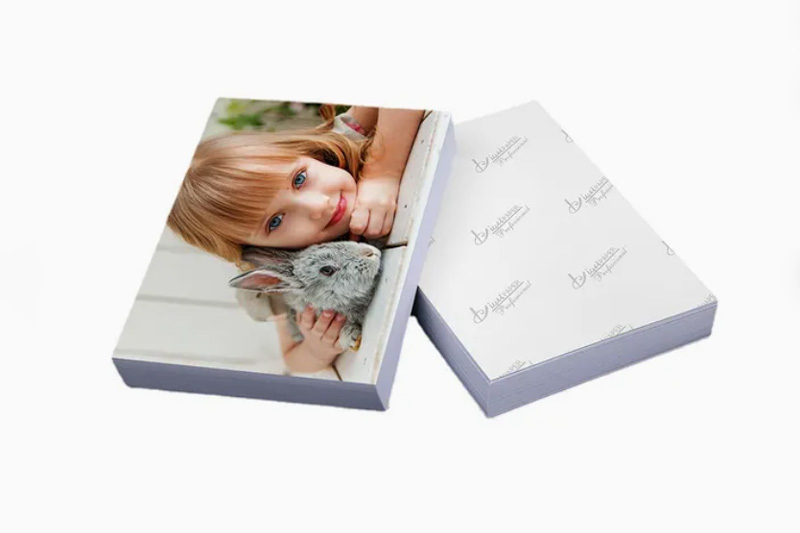
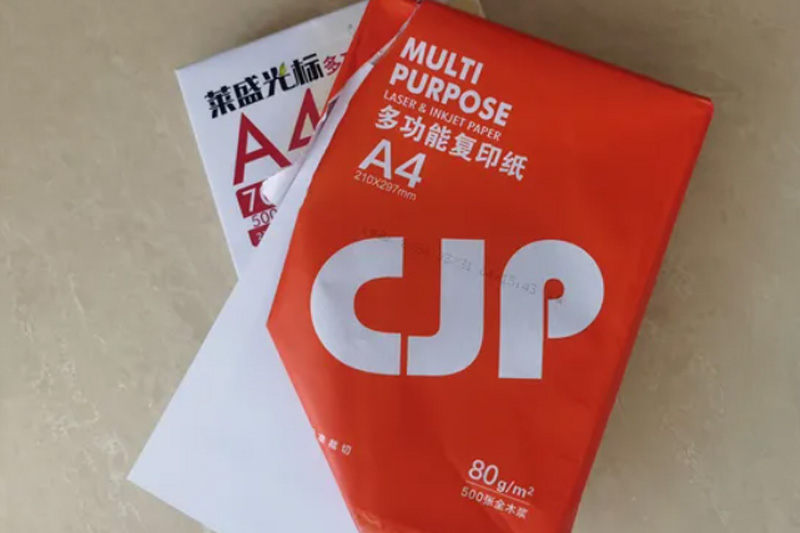
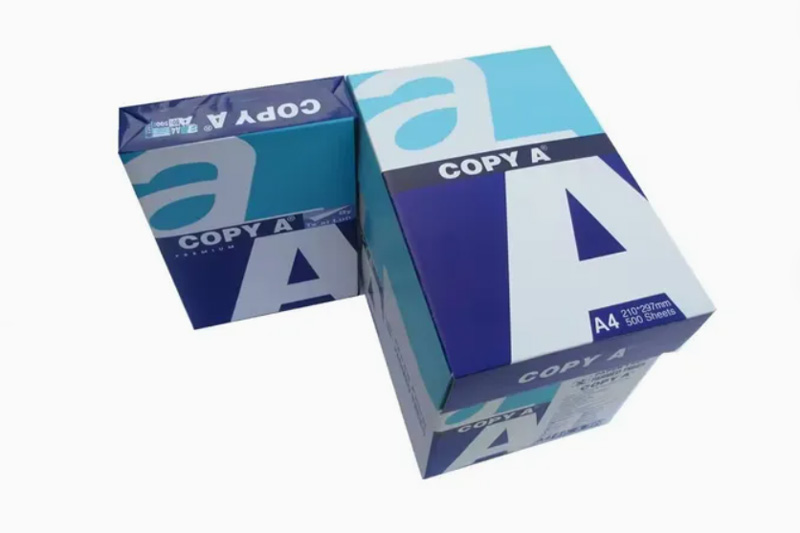
A closer look at our 60,000 square meter Shandong factory, manufacturing lines, and quality assurance processes.
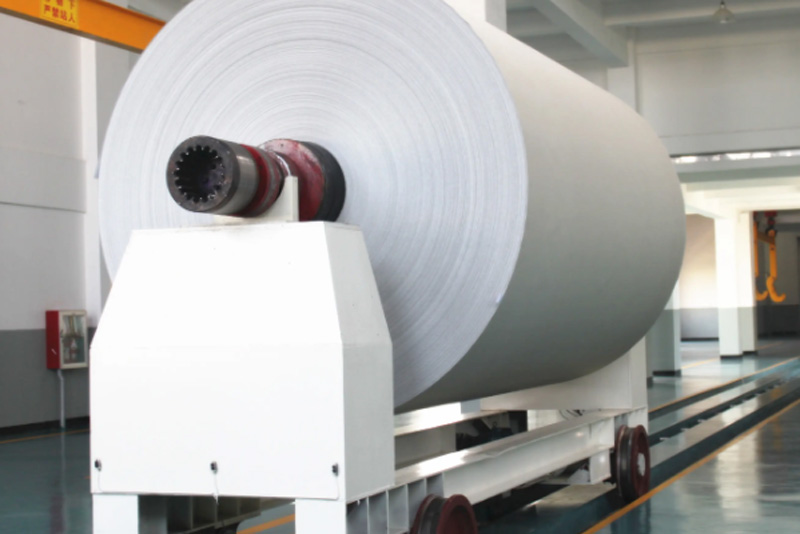


Understand the critical benchmarks when sourcing calling card papers from ODM partners.
In modern paper mills, sustainability is a core engineering target. Traditional plastic-coated cards are being replaced by bio-based dispersion barriers. Procurement teams now require FSC-certified wood pulp or bamboo pulp options. These alternative fibers provide high stiffness and environmental compliance, matching global corporate sustainability goals.
High-speed commercial presses operate at up to 18,000 sheets per hour. If cardstock has variable moisture distribution or poor fiber bonding, it will warp, leading to press jams or misregistration. Jingkuo uses double-drum drying systems and closed-loop scanners to maintain uniform moisture levels across every roll.
A variation of just 5 microns can affect embossed finishes or result in card jam problems in packaging systems. Professional ODM partners provide detailed caliper logs for every batch, confirming uniform thickness across the entire order.
Get professional, technical answers to common queries regarding ODM card stock and pulp production.
Explore additional high-grade selections including medical paper, tissue, cardboard storage solutions, and heavy-gauge kraft sheets.


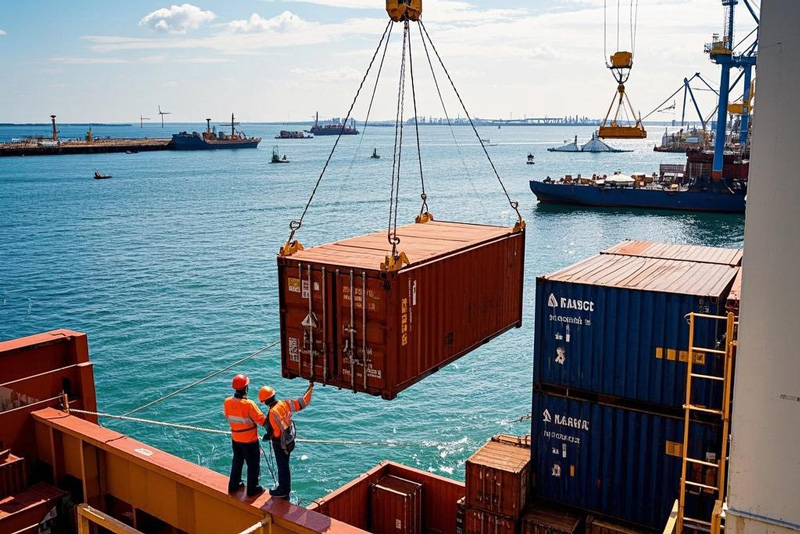
Get high-quality customized parameters, direct free-trade zone routing, and comprehensive quality assurance on every container shipment.
Contact Our Sales Engineers Today Jingkuo