 Jingkuo





Global Book Paper Industry: Technical Whitepaper
An in-depth analysis of cellulose engineering, high-bulk structural properties, and supply dynamics shaping modern offset and digital book publishing.
The Architecture of High-Bulk Book Paper
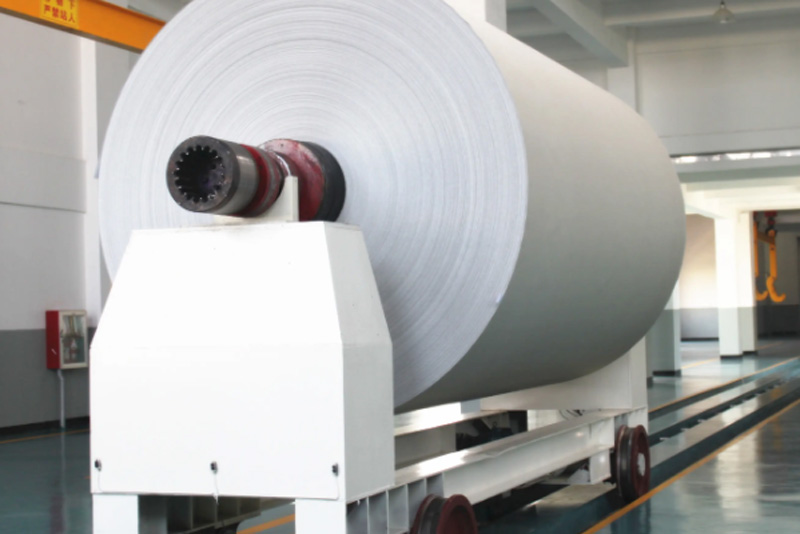
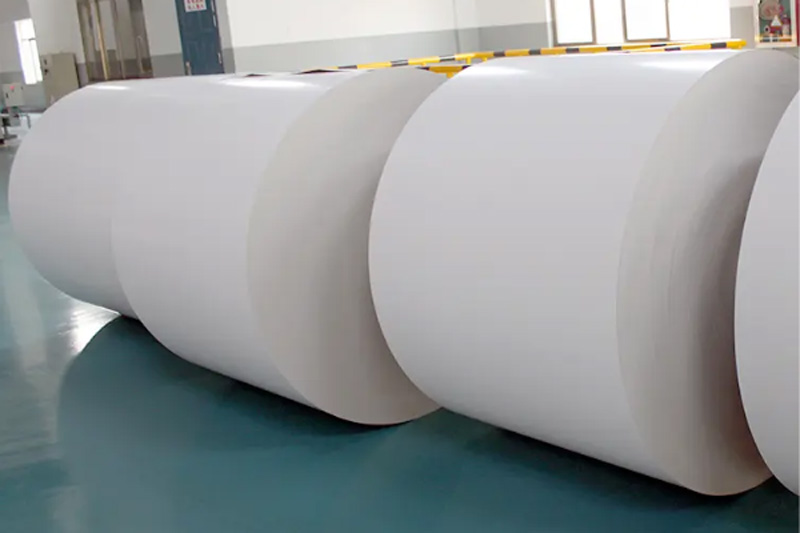
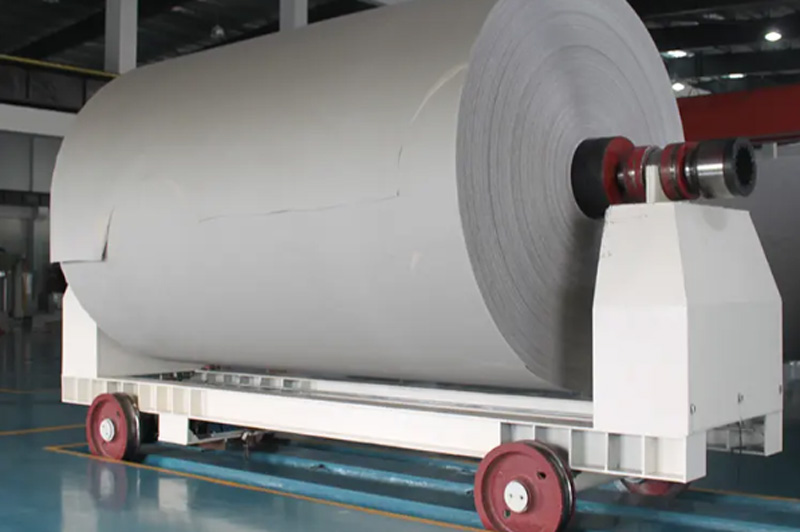
In the global publishing ecosystem, the physical properties of paper are crucial. Book paper (also known as publishing or text paper) requires a precise balance of mechanical strength, ink interaction, and opacity. Grounded in advanced cellulose engineering, modern book paper manufacturing utilizes a blend of long-fiber softwood kraft pulp (for structural integrity and tear resistance) and short-fiber hardwood pulp (for opacity, uniform sheet formation, and surface smoothness).
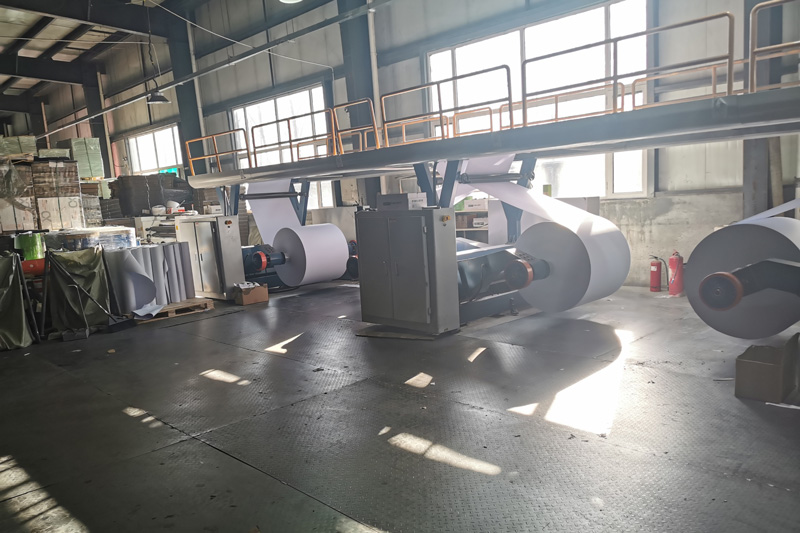
As a premier China Book Paper Supplier & Manufacturer, Jingkuo International optimizes the wood pulp cooking process to preserve the fiber structure. The goal is to maximize the "bulk factor" (the ratio of paper thickness to its basis weight). High-bulk paper allows publishers to produce thick volumes without increasing weight, reducing international shipping costs while maintaining a high-quality feel.
Furthermore, control over the Parker Print-Surf (PPS) roughness and Cobb sizing parameters prevents ink show-through (strike-through) during high-speed offset printing. This is particularly important for double-sided educational textbooks and monochrome novels.
Technical Specifications: Standard vs. Premium Offset Book Paper
| Property Parameter | Testing Standard | Standard Grade Book Paper | Premium Offset Grade (Jingkuo) | Publishing Benefits |
|---|---|---|---|---|
| Grammage Range | ISO 536 | 60 gsm - 100 gsm | 50 gsm - 120 gsm | Versatility across light pocketbooks and heavy encyclopedias. |
| Bulk Factor (Caliper) | ISO 534 | 1.15 cm³/g - 1.35 cm³/g | 1.50 cm³/g - 2.10 cm³/g | Creates a thick book backbone with lightweight handling. |
| ISO Opacity | ISO 2471 | 84% - 92% | 88% - 98% | Minimizes backside text transparency, key for readability. |
| ISO Brightness (OBA Control) | ISO 2470 | 95% - 105% | 75% - 88% (Natural/Cream options) | Lowers eye strain for reader comfort. Whiteness adjusted per market. |
| Surface Roughness (PPS) | ISO 8791-4 | 4.5 µm - 5.5 µm | 2.8 µm - 3.8 µm | Enables clean ink transfer without dot gain or surface dusting. |
| Tensile MD/CD Strength | ISO 1924-2 | Standard mechanical limit | Extended high-speed runnability | Minimizes paper web breaks on high-speed web presses. |