Within global supply chain logistics, procurement of office copy paper is often simplified as a minor utility cost. However, a rigorous analysis of total cost of ownership (TCO) reveals that paper selection profoundly impacts printer hardware longevity, optical character recognition (OCR) performance, and corporate compliance targets. Evaluating cheap office paper options requires looking beyond surface-level pricing to understand the manufacturing process, chemical composition, and supply chain logistics.
High-grade copy paper relies on the precise balancing of hardwood and softwood chemical pulps. Hardwood pulps provide essential opacity, bulk, and surface smoothness, while softwood pulps supply the longer cellulose fibers required for tensile strength to prevent paper jams during high-speed printing. Selecting a reliable manufacturer ensures that the ratio of these pulps is optimized to minimize dust generation and improve runnability.
Did you know? Industrial copy paper utilizes calcium carbonate fillers to control brightness and acid balance. Substandard manufacturers often overfill with low-grade calcium carbonate, which saves costs but leads to chalky residue that degrades high-speed printer drums.
Tianjin Port Free Trade Zone Jingkuo International Trade Co., LTD is a leading integrated paper production and trade entity with a 15-year manufacturing history. Our specialized production plant, located in Dongping, Shandong, China, covers a state-of-the-art 60,000 square meter area. With eight high-grade production lines, advanced testing equipment, a dedicated design team, and rigorous quality control staff, we hold multiple international certifications and maintain an annual production capacity of approximately 60,000 tons.
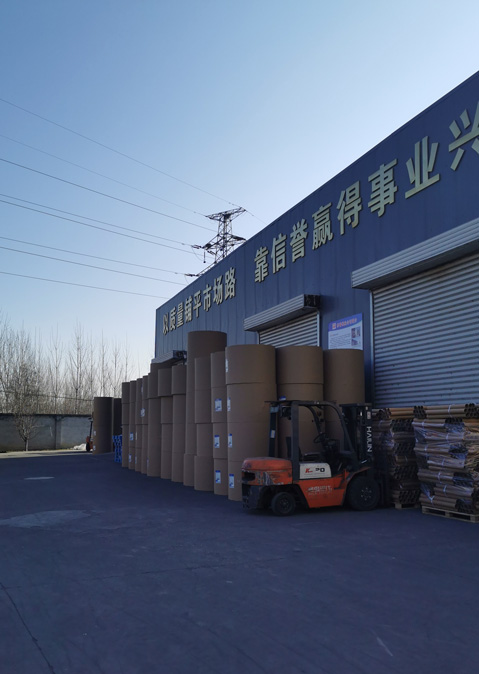
Our quality control system monitors everything from raw pulp viscosity to final package seal integrity. All copy paper batches undergo strict checks for caliper variation, moisture levels, surface roughness (Bendtsen scale), and stiffness to meet international ISO levels.
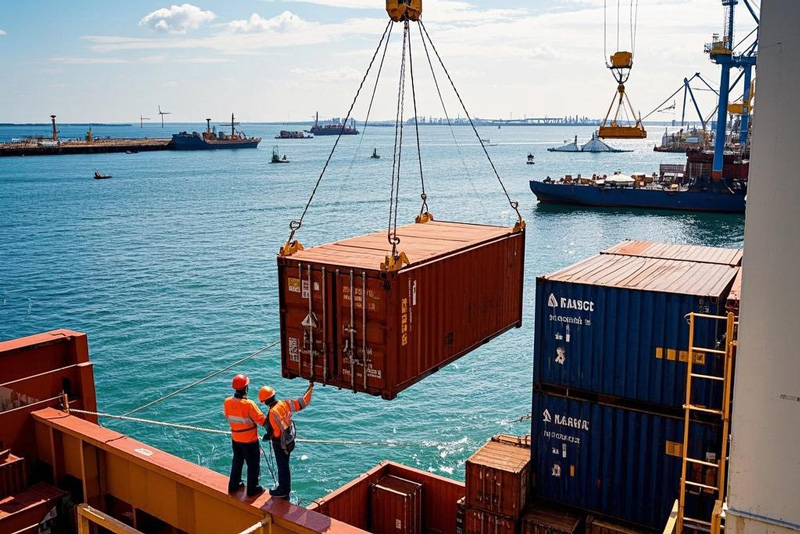
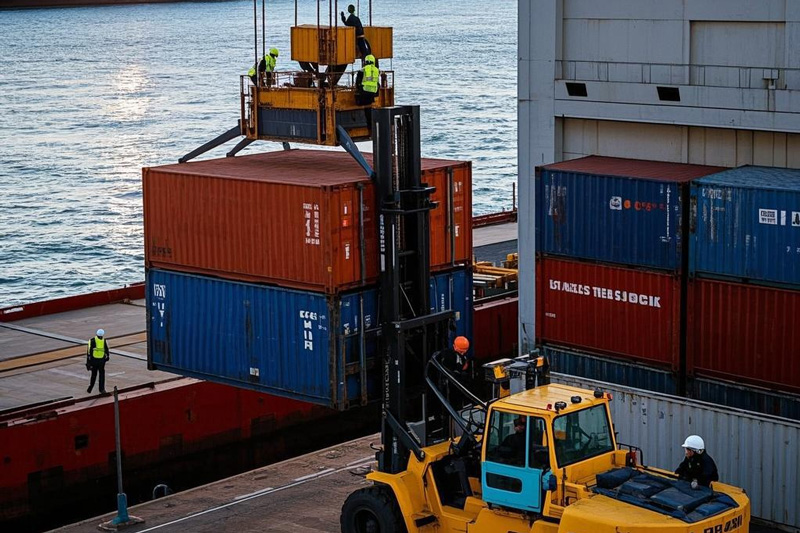
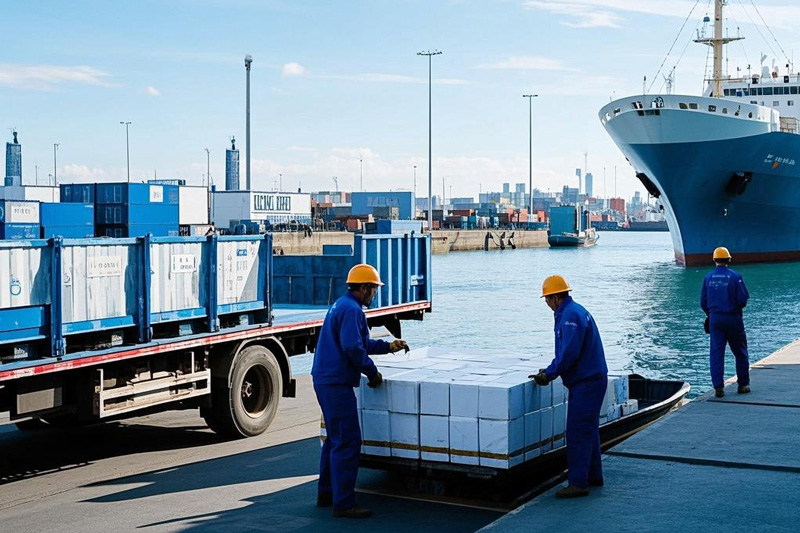
Located in the Tianjin Port Free Trade Zone, we leverage tax incentives, customs clearance protocols, and container consolidation services to reduce transit times and shipping costs for international bulk buyers.
We work closely with distributors across the Middle East, Europe, South Asia, and Africa. By offering local market compliance support, customizable packaging designs, and targeted GSM weight profiles, we help our partners secure competitive market share.
Our support spans the entire procurement cycle. We provide pre-sales lab testing data, real-time shipment tracking, and post-delivery processing support. We align our manufacturing schedules with our clients' localized supply chains to ensure seamless replenishment.
At our manufacturing hub in Dongping, Shandong, digital integration shapes our entire production flow. Our 2-hectare industrial site operates under an integrated ERP system that coordinates everything from raw material intake to automated palletizing. With 50 highly trained specialists on-site and a dedicated 10-member R&D team, we continuously optimize our production processes.
By monitoring thermodynamic profiles in the drying hoods, we maintain precise control over moisture content (typically targetting 4.5% to 5.0%). This strict regulation minimizes fiber curling and structural warping, ensuring that the paper lies flat during high-heat laser printing. Additionally, our high-speed cutting units feature real-time blade wear diagnostics, maintaining clean, dust-free edges across high-volume production runs.
Operational Impact: Clean, dust-free edges prevent paper dust accumulation in printer rollers, lowering equipment maintenance costs and reducing paper jams during high-volume printing.
Large-scale office paper procurement requires navigating complex global trade regulations, shipping schedules, and import duties. Operating within the Tianjin Port Free Trade Zone allows Jingkuo to offer structural logistical advantages that help mitigate these challenges:
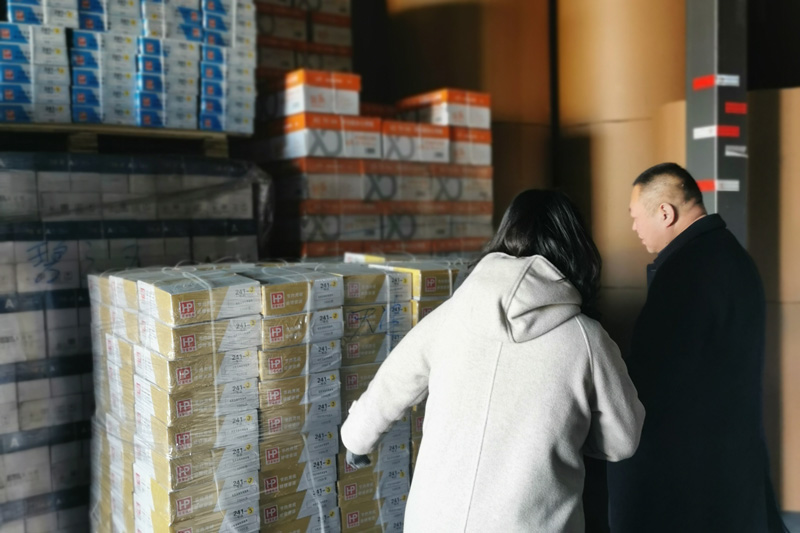
Our production lines are equipped to manufacture a wide variety of pulp-based products, catering to diverse commercial, industrial, and personal care needs:
Whether you require bulk rolls for conversion or packaged reams for retail, our lines support customized packaging, specific base weights (GSM), and tailored brightness settings.
Our export network spans Europe, the Middle East, Asia, and Africa. We work closely with regional distributors to secure local market shares by offering:
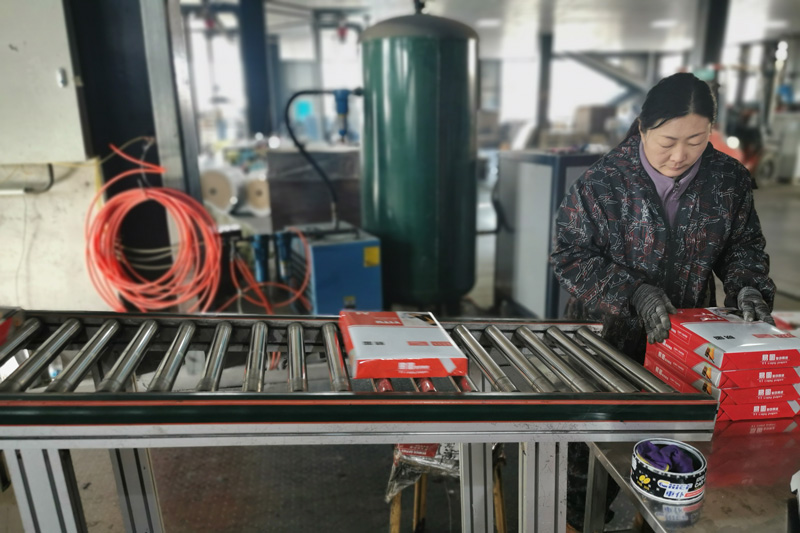
As the paper industry works to reduce its environmental footprint, we are updating our facilities to support green manufacturing practices. Our 2025-2030 technical roadmap focuses on three main areas: sustainable raw materials, energy efficiency, and functional surface treatments.
We are actively researching water-based polymer coatings to replace traditional plastic barriers on packaging boards and cup stocks. These new formulas improve recyclability, allowing the paper to be easily repulped in standard recycling facilities without requiring specialized processing.
By using real-time wood fiber sensors, we are developing automated refining systems that dynamically adjust mechanical refining energy based on fiber morphology. This optimization reduces electrical consumption per ton of pulp and ensures more consistent fiber bonding, resulting in higher tensile strength at lower base weights.
We utilize alkaline papermaking chemistry with calcium carbonate buffering. This process creates an acid-free sheet that resists yellowing and deterioration over time, making it ideal for archival documents and long-term storage.
An international retailer faced supply disruptions and varying quality from their paper suppliers. Jingkuo resolved these issues by utilizing our free trade zone warehousing to ensure reliable stock levels, stabilizing their regional supply chains and providing consistent quality.
A regional distributor struggling with rising paper procurement costs switched to Jingkuo's direct supply channel. This change resulted in a 20% reduction in total purchasing costs while maintaining the paper brightness and weight profiles required by their local market.
Meeting regional standards is a key part of our global supply chain management. Different markets require specific regulatory documentation and compliance certifications before shipping. Our compliance office works with inspection bodies to ensure all documentation is handled efficiently.
For European shipments, we provide complete certifications demonstrating compliance with standards for food-contact items, where applicable. For African markets, we coordinate with regional certification agencies to ensure swift customs clearance. Our compliance checks help avoid unnecessary delays, keeping import timelines predictable and efficient.
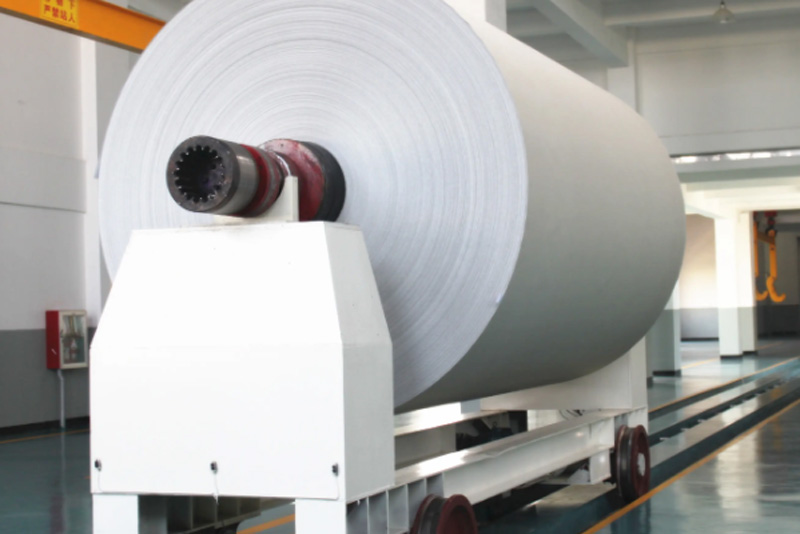
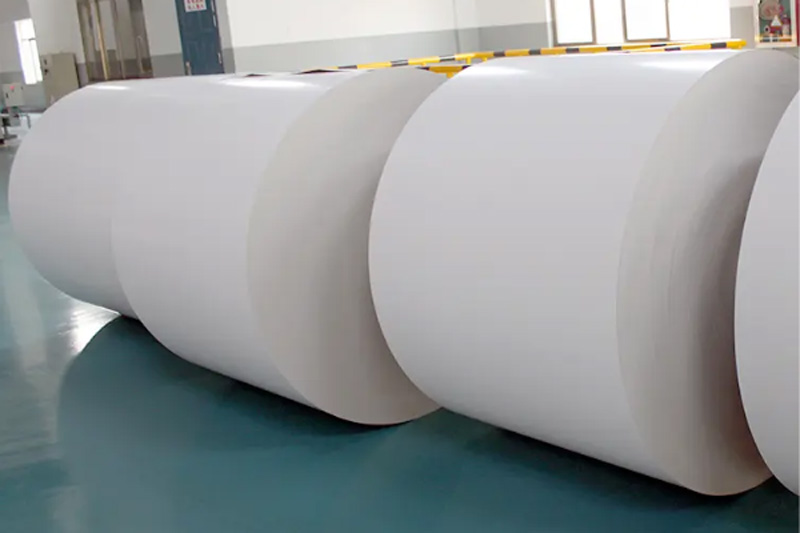
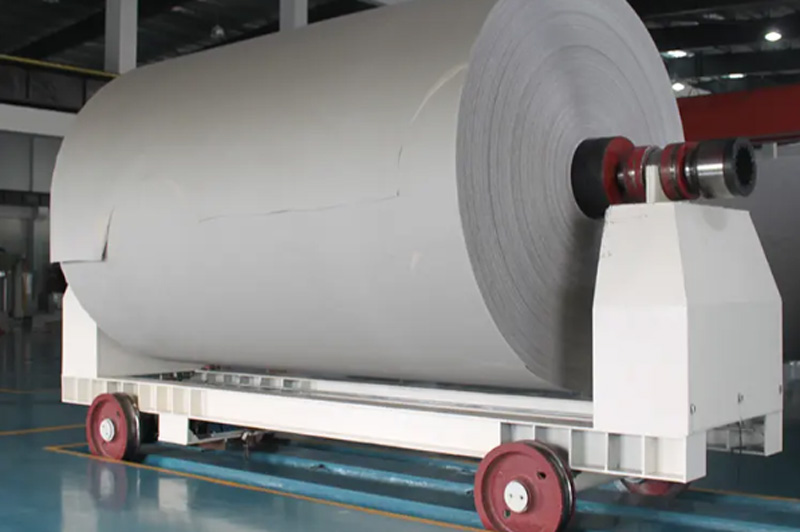
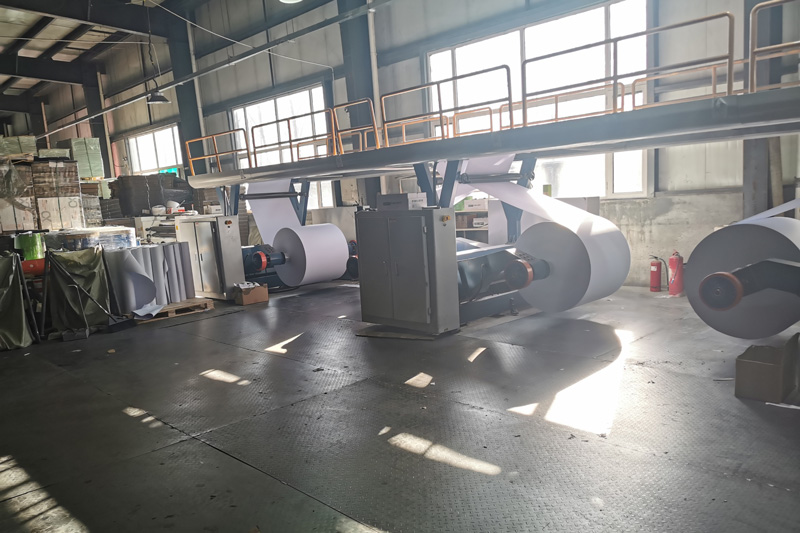
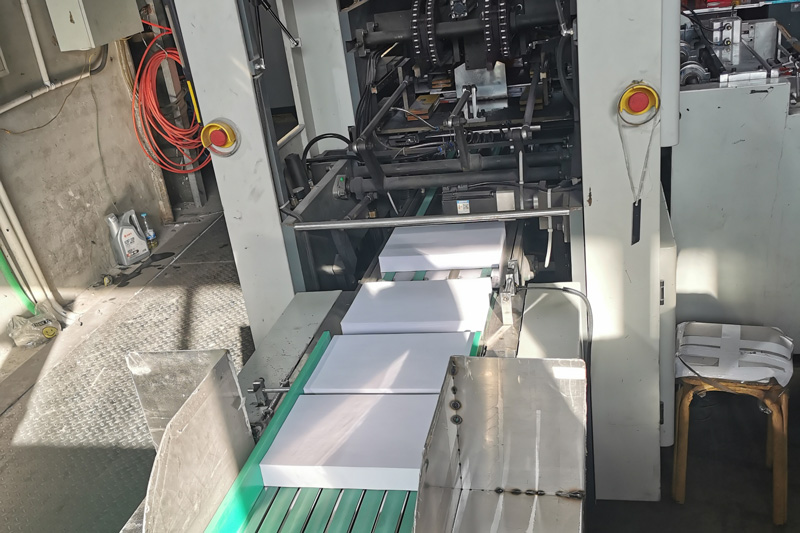
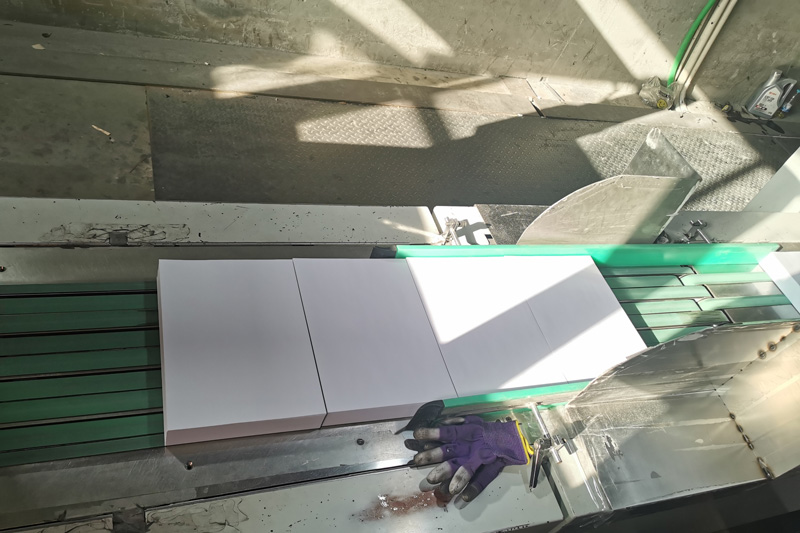
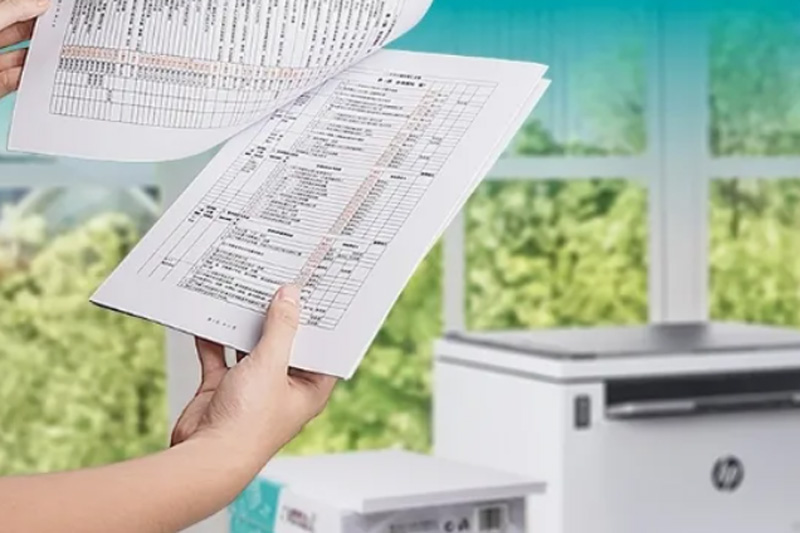
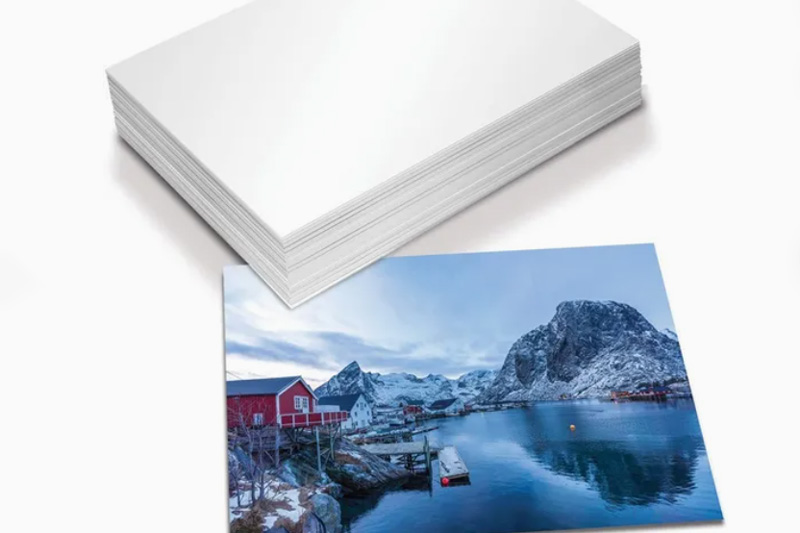
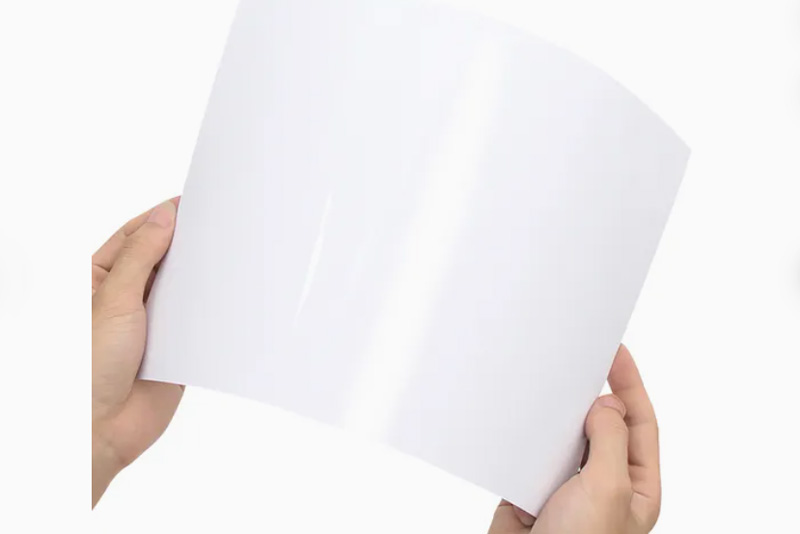
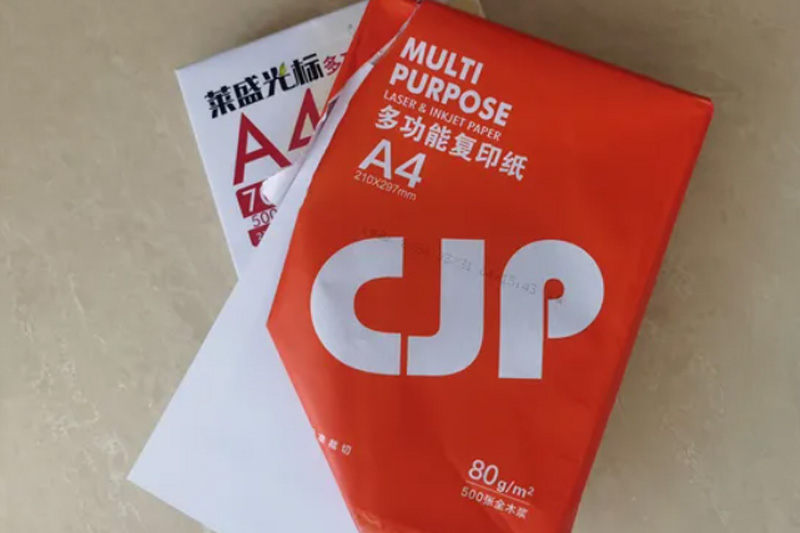
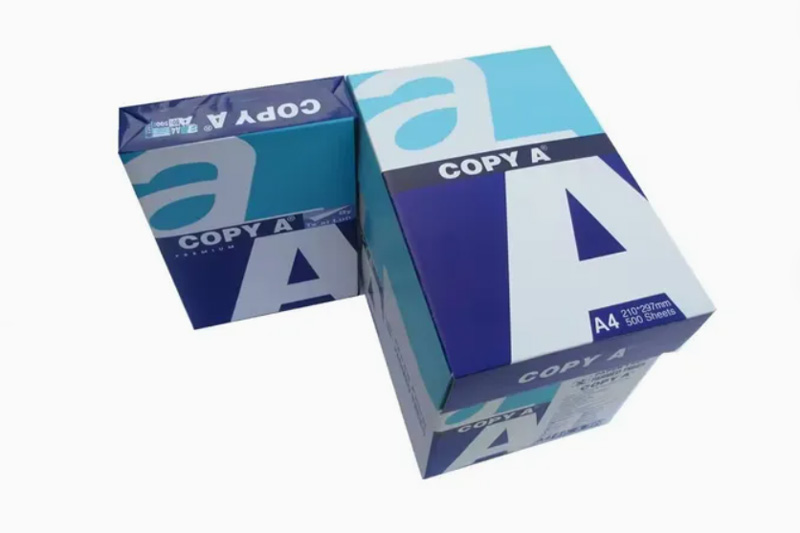
Our manufacturing plant in Shandong features modern machinery and testing setups. We maintain close oversight over our production steps to keep quality consistent. Check out our facility highlights below:



Partner with Jingkuo to optimize your paper procurement. Contact our sales team for custom volume quotes, sample kits, and direct manufacturing schedules.
Initiate Corporate Inquiry Jingkuo