High-durability substrates, packaging media, and custom printing grades directly from our Industry 4.0 facilities



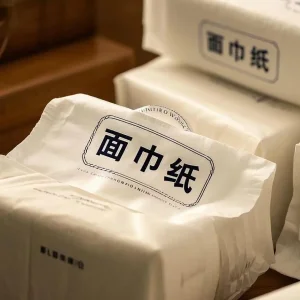


In the modern commercial landscape, the global demand for sustainable print media has undergone a profound shift. The search term "Buy Magazines Recyclable Factories & Factory" represents a deeper underlying commercial intent: multi-national publishers, corporate catalog producers, and packaging designers are searching for manufacturing partners who can supply premium-grade, recyclable paper materials that align with circular economy metrics, carbon offset mandates, and strict Extended Producer Responsibility (EPR) regulations globally.
Traditional magazine publishing historically relied on heavy, non-recyclable coatings, chemical-laden inks, and low-yield wood pulp formulations. Today's industrial-scale mills must integrate advanced fiber-recovery technologies, closed-loop water treatment systems, and low-VOC coating processes. Producing paper that can be easily repulped and returned to the supply chain is no longer a niche ecological choice—it is a baseline operational requirement for compliance with EU Timber Regulations (EUTR), EUDR, and international forestry criteria.
A magazine's recyclability depends heavily on the chemical makeup of its coating. Modern recyclable factories employ water-based dispersion barriers and starch-modified clays rather than traditional wax or polyethylene films. This ensures that when the printed material enters municipal or industrial hydro-pulpers, the fiber separates cleanly from the ink and coating particulates, yielding high-quality secondary pulp with minimal energy expenditure.
Globally, the publishing and marketing sectors are executing strict carbon-neutral targets. The transition away from single-use plastics has led to an explosion in demand for paper alternatives. Lightweight coated papers (LWC) and supercalendered (SC) grades must offer the same tactile lux, high gloss, and vivid print-run capability as their predecessors, while remaining 100% recyclable.
Furthermore, the geographic footprint of procurement is shifting. European and North American buyers are increasingly seeking direct partnerships with East Asian mega-factories. By bypassing multi-tier broker networks and sourcing directly from integrated mills in industrial hubs like Shandong, enterprises secure cost stability, custom caliper calibrations, and verified chain-of-custody documentation.
The production of commercial print substrates requires immense raw material access, precise chemical control, and high energy inputs. China's paper manufacturing sector has transitioned from a high-emission industry into a global leader in clean technology and digital automation. By deploying automated DCS (Distributed Control Systems) and QCS (Quality Control Systems) along high-speed manufacturing lines, Chinese plants achieve thickness uniformities down to the micron level while reducing fresh-water intake metrics by up to 40% compared to previous decades.
Logistical infrastructure plays an equal role in this resilience. Utilizing Special Economic and Free Trade Zones—such as the Tianjin Port Free Trade Zone—allows factories to run highly efficient bonded-warehouse configurations. Raw materials like virgin wood pulp from Scandinavia or South America can be imported duty-free, processed dynamically, and exported as premium coated brochure paper, office copy papers, or tissue rolls with minimal administrative drag.
Integrating industrial manufacturing scale with streamlined international trade workflows, Jingkuo represents 15 years of supply chain evolution. Our primary production facility is strategically located in Dongping, Shandong, China.
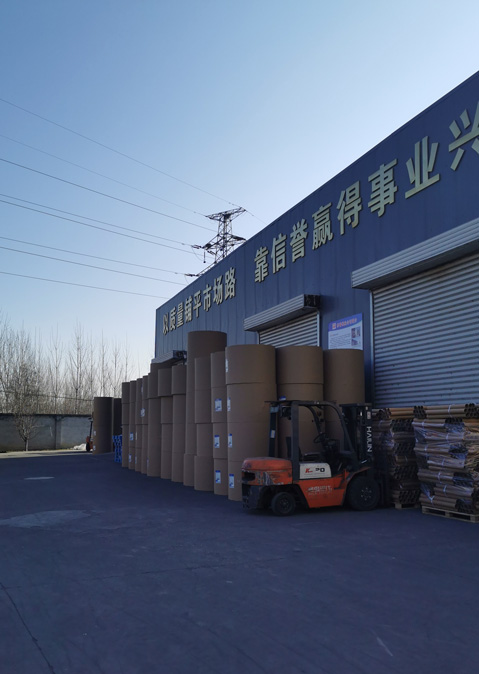 Jingkuo Shandong Production Facility Overview
Why Fortune 500 retailers and packaging distributors partner with Jingkuo for global paper supply
We operate a multi-stage Quality Management System (QMS) aligned with ISO 9001 and ISO 14001 guidelines. Our testing laboratories inspect incoming fiber length, burst indexes, opacity percentages, and tensile properties, ensuring all output meets international regulatory and customer standards.
By integrating Shandong's manufacturing base with our Tianjin Port Free Trade Zone logistics office, we execute seamless cross-border shipping workflows. Overseas warehousing networks enable buffer-stock holding, providing rapid delivery to mitigate fluctuations in regional paper availability.
Our Dongping facility leverages automated MES (Manufacturing Execution Systems) and ERP systems to minimize waste, optimize raw pulp consumption, and guarantee order traceabilities. Real-time machine monitoring ensures rapid adjustments to grammage shifts, keeping batch-to-batch variations under 1.5%.
To achieve high-efficiency recycling, the structural integrity of the paper fibers must be preserved during the initial manufacturing. Short-fiber eucalyptus pulp is balanced with long-fiber coniferous pulp to guarantee that the paper can be recycled up to seven times without significant deterioration in structural stiffness or print quality.
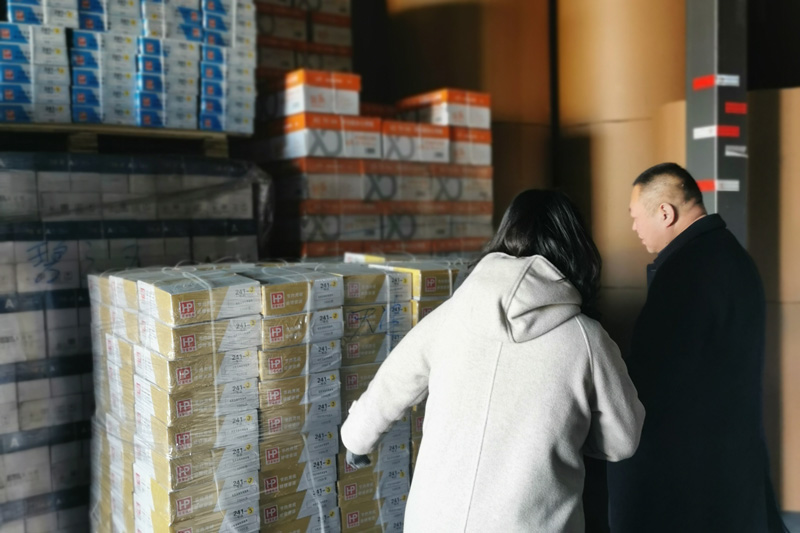

A leading international retailer faced supply disruptions for their promotional marketing flyers and catalogs. By partnering with Jingkuo, they transitioned to our locally stockpiled, high-smoothness coated substrates.
Leveraging our overseas warehousing networks and structured customs clearing paths, we guaranteed a constant supply of paper products, resulting in a 15% reduction in their marketing fulfillment cycle time.
Small-to-medium enterprises often struggle to absorb the fluctuating spot prices of high-grade paper rolls. Jingkuo stepped in to supply a regional print shop with custom-sheeted offset and packaging board.
By utilizing our direct-factory pricing model and optimized marine logistics, the client realized a 20% overall cost reduction while improving their output quality metrics.

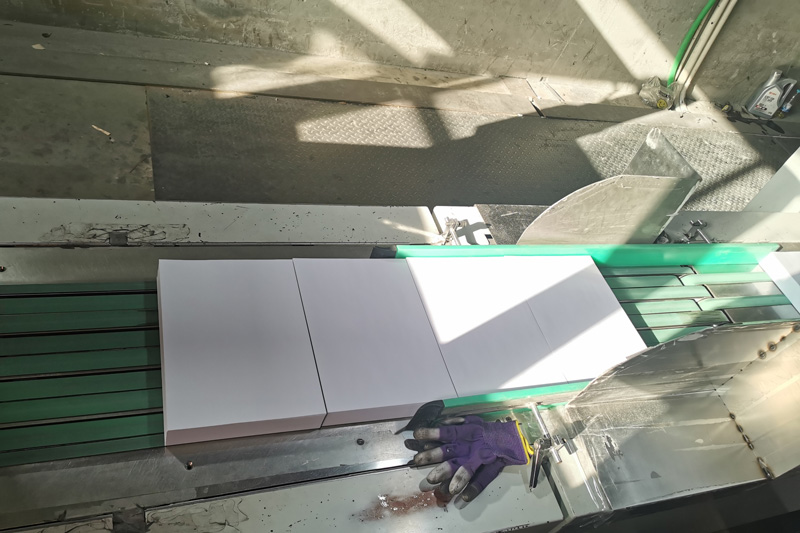
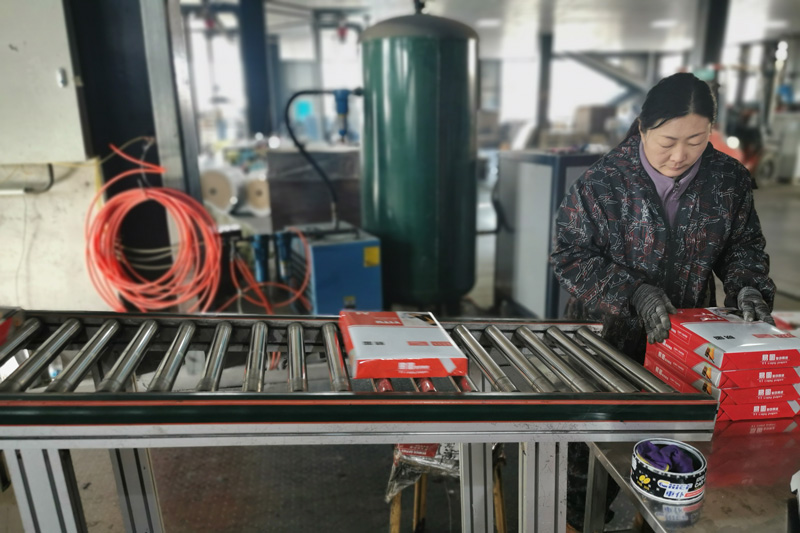
A visual insight into our 60,000 square meter production facility and packaging systems
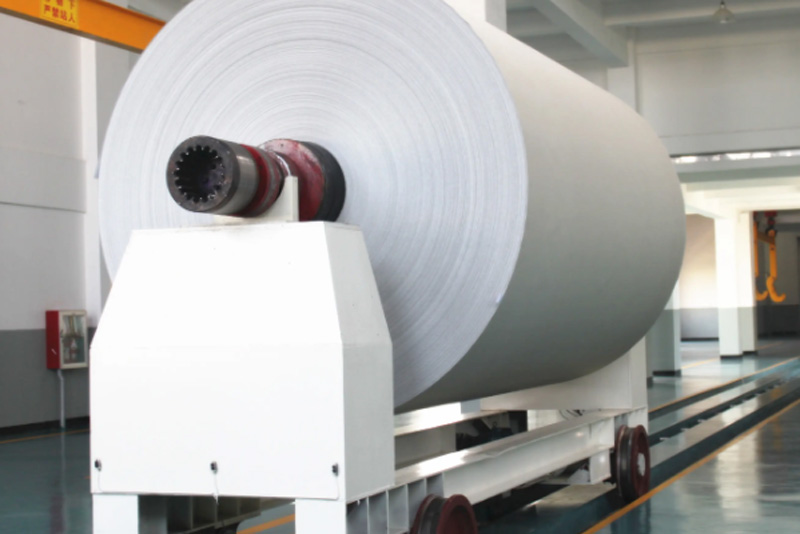
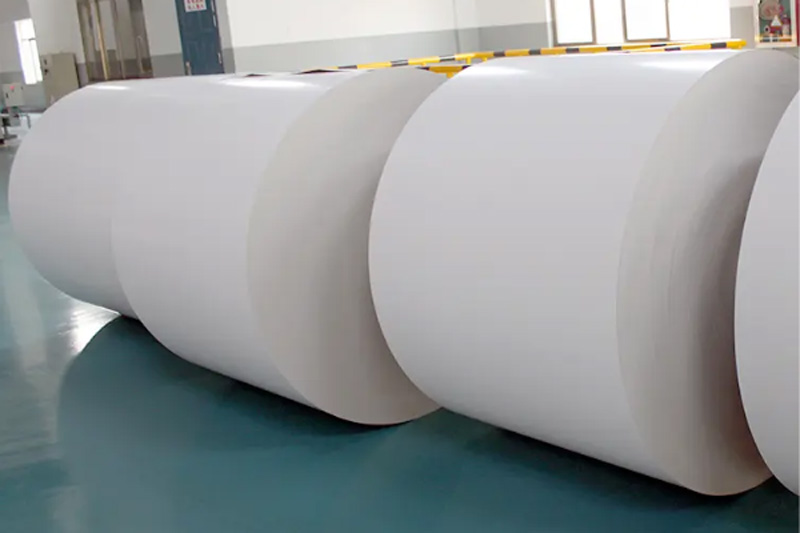
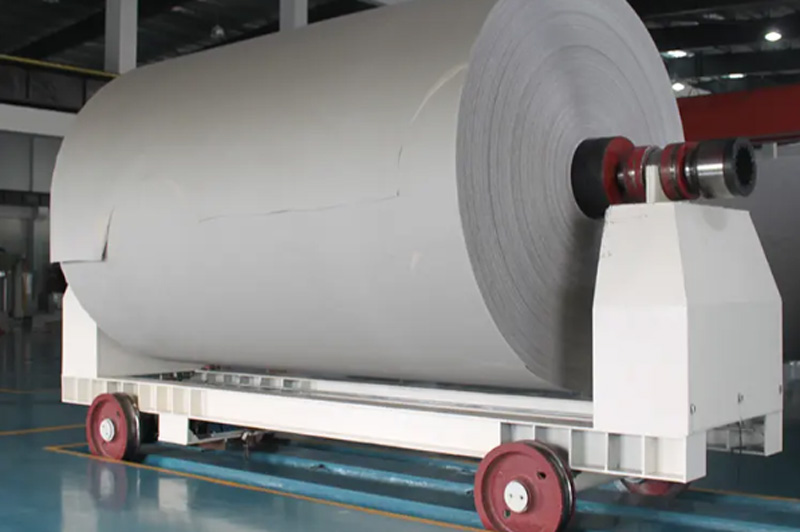
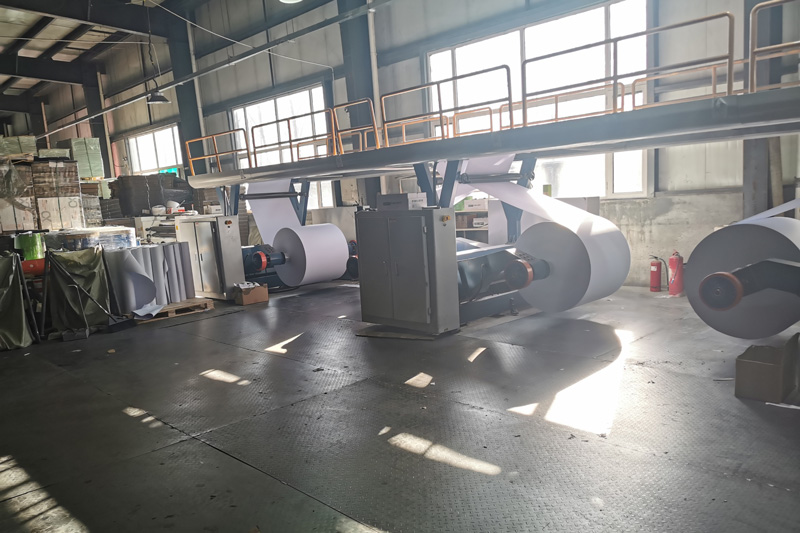
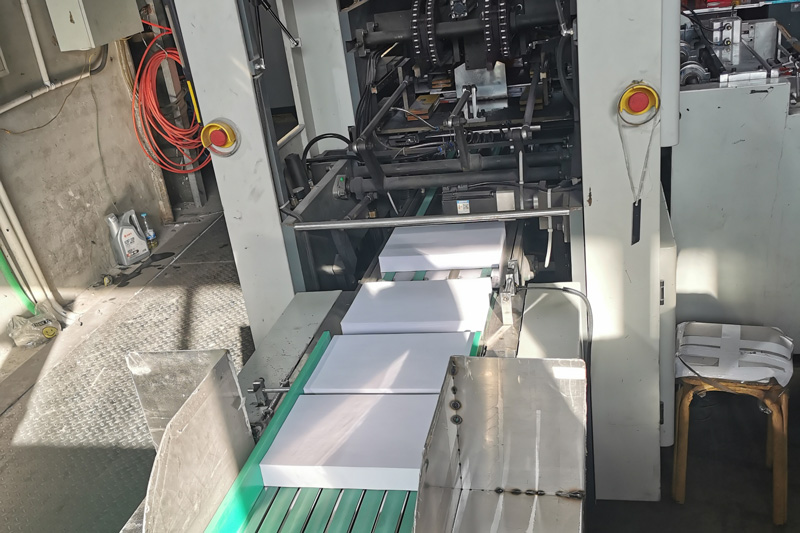

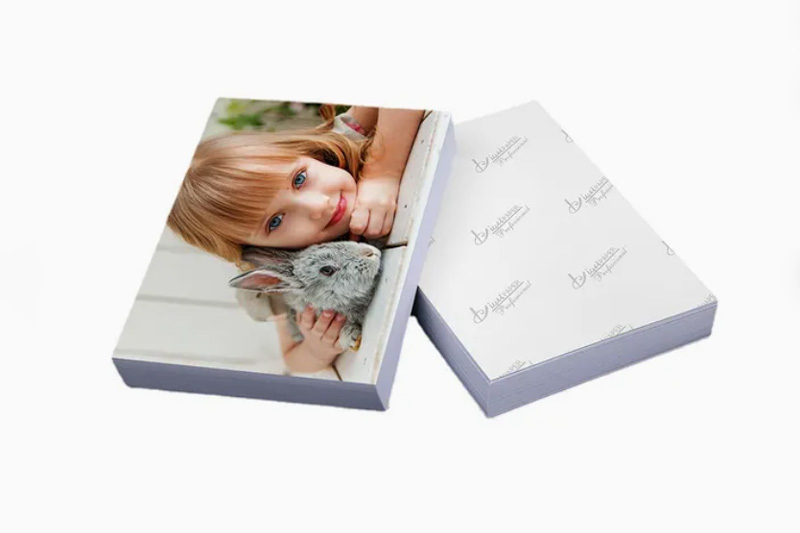
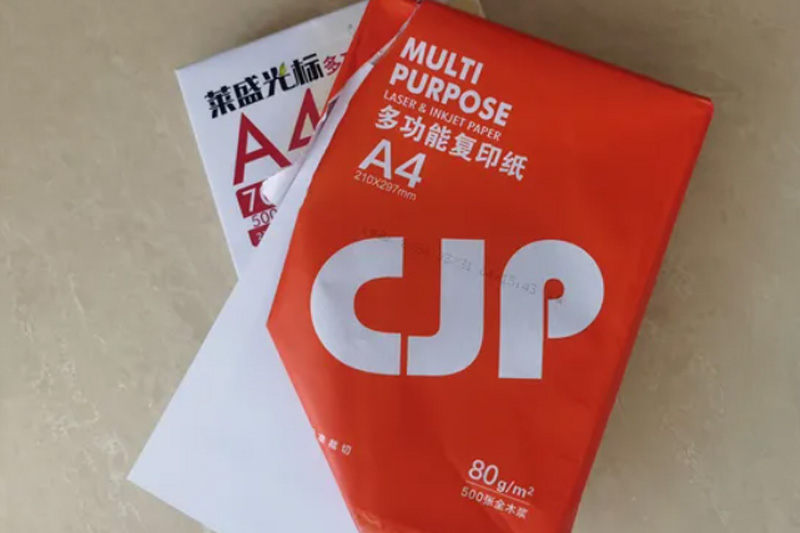
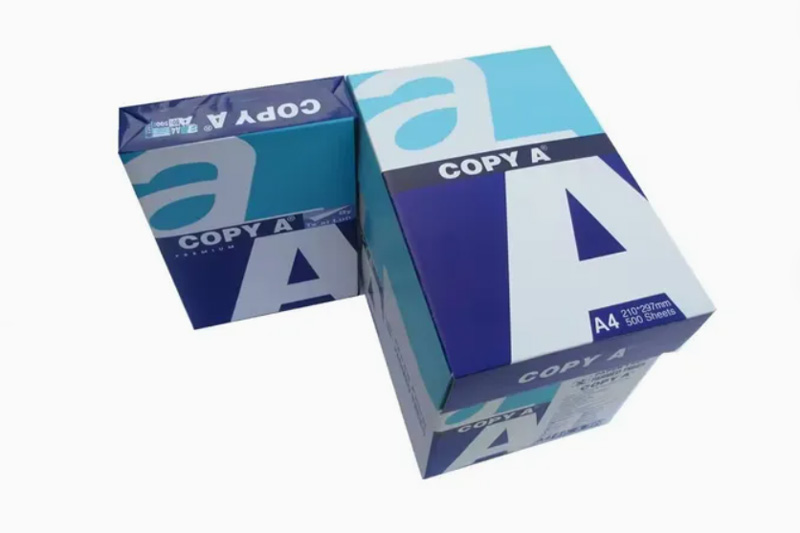

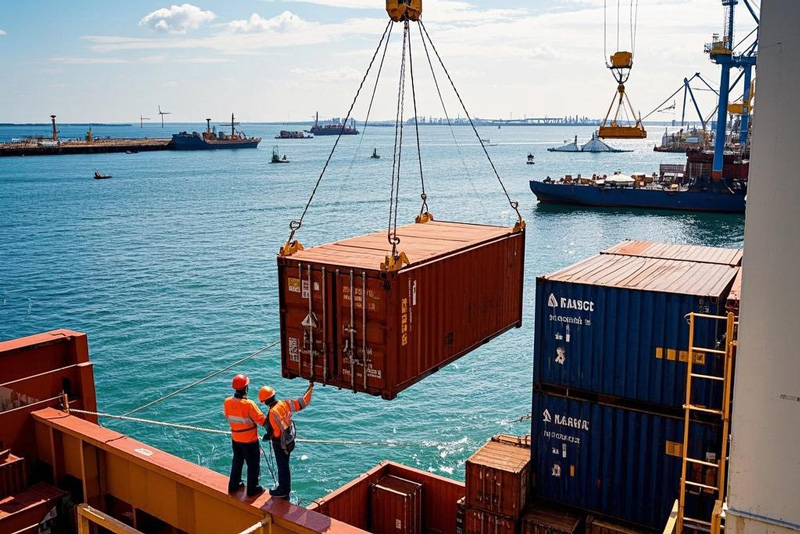
Certified for shipping across EU, North America, Middle East, and Africa.
Custom sizing, thickness calibrations, and functional packaging elements designed for automated manufacturing
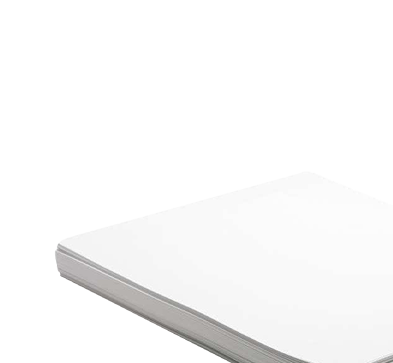
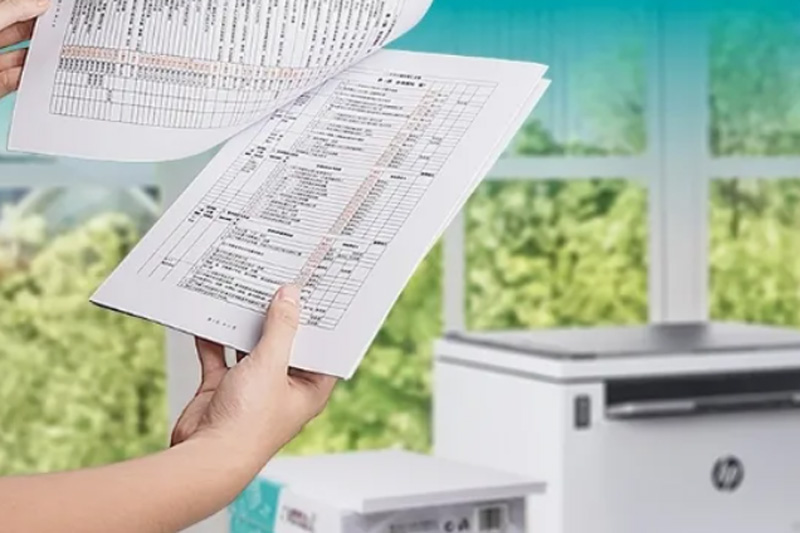
Including standard and high-whiteness A4/A3 copier stocks, thermal ticket grades, and carbonless copy sets.
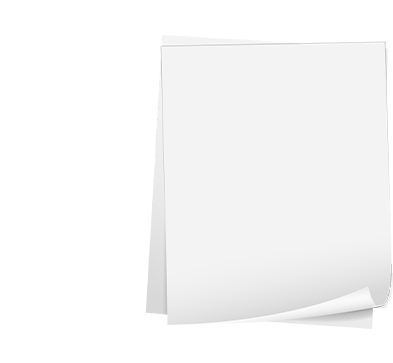
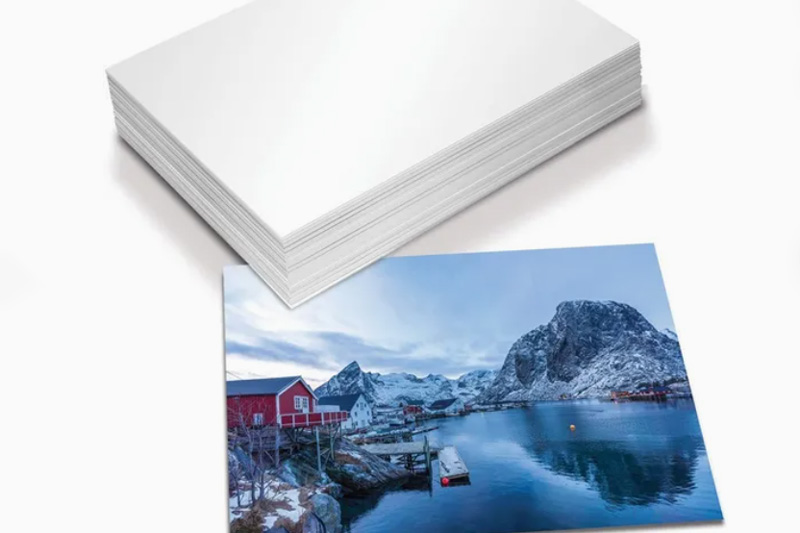
Satin, gloss, and matte double-side coated stocks optimized for catalog and luxury brochure layout designs.
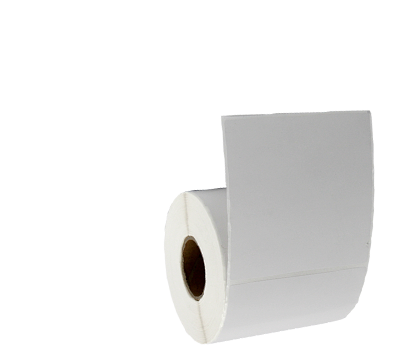
Heavy Kraft linear boards, high-burst strength corrugated containers, and specialty food-safe barrier packaging.
A key element of our search intent fulfillment is matching the unique climatic and retail requirements of specific global markets. Through deep consumer research, we adapt our raw formulations:
In regions with high humidity indexes, standard facial tissues can disintegrate quickly. Our African Lifestyle tissue series is engineered with a proprietary wet-strength compound, ensuring the sheets remain soft yet physically strong.
To support high-speed processing hubs in India and surrounding territories, our copy sheets feature precise anti-static chemical layers. This prevents paper jams during high-volume duplication runs, maximizing office runtime metrics.
With the onset of the Single-Use Plastics Directive, our development teams created non-plastic boards that rely on biopolymers rather than synthetic coatings. These boards are fully compostable and easily repulped in typical municipal setups.
Technical and logistical insights from our operations engineering team
For paper to be processed by standard municipal recycling lines, it must contain a low percentage of synthetic polymers (less than 1.5% by dry weight). We use mineral-based coatings containing calcium carbonate and kaolin clay, bound with water-soluble starches. During the pulping cycle, these components break apart cleanly, preventing "stickies" from forming and damaging downstream equipment.
Our trade office in the Tianjin Port Free Trade Zone provides distinct financial benefits. It enables us to import premium pulp materials under bonded conditions, avoiding immediate local tariff applications. We pass these savings directly to international buyers, which yields highly competitive price points for large-volume roll and sheet products.
Yes. We maintain strict Chain-of-Custody (CoC) certification pathways. Customers can request FSC Mix or FSC Recycled certifications on raw pulps or finished coated papers. This ensures full compliance with sustainability requirements for European and North American retail distribution.
Standard sheet and roll products can ship from our buffer stock within 7 to 10 working days. Custom grammage weights (ranging from 45 gsm to 350 gsm) or unique widths require a typical production window of 20 to 30 days, depending on our Shandong mill scheduling.
High-smoothness office paper, medical grades, and high-strength kraft liners


 Jingkuo