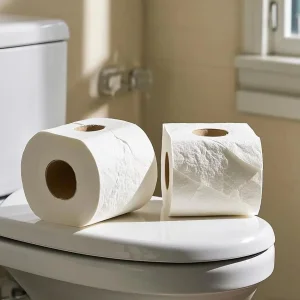
Explore our core industrial grade paper substrates optimized for offset printing presses, digital machinery, and medical packaging industries.





In high-volume offset and digital B2B printing, the selection of coated paper represents a crucial balance between ink runnability, optical performance, and cost management. Modern printing factories operate under narrow margins and strict deadlines, requiring paper substrates that resist dusting, exhibit high pick resistance (measured by IGT indicators), and guarantee consistent caliper control across runs. Uncoated papers allow ink to absorb deep into the fiber network, often causing color muting, whereas premium coated papers isolate the pigment on the surface using special formulations (such as Kaolin clay or calcium carbonate binders). This surface chemistry maximizes ink holdout, yielding sharp halftone dots, high print gloss, and wide color gamuts.
Globally, printing suppliers face dynamic market demands. The move toward short-run personalized digital printing, coupled with the legacy demand for web-fed high-speed catalog runs, requires suppliers to carry diverse GSM ranges (from 80g to 350g) with varying finishes, including high-gloss, satin, matte, and dull. Additionally, global trade compliance (such as FDA approvals for food packaging and FSC/PEFC certifications for sustainability) is no longer optional. Industrial buyers need raw material partners that offer integrated solutions: consistent mill quality, flexible bulk ordering, custom sheet and reel widths, and optimized custom clearances.
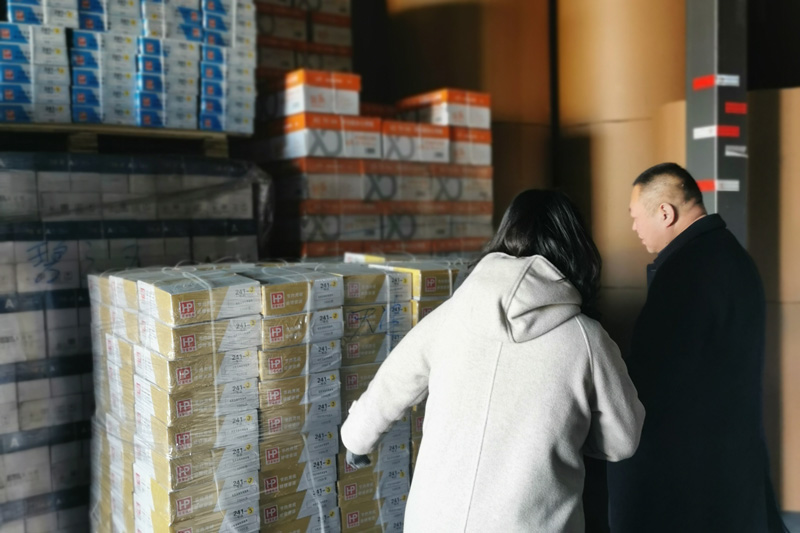
Tianjin Port Free Trade Zone Jingkuo International Trade Co., LTD. operates at the intersection of manufacturing excellence and international distribution. With 15 years of development, we have scaled our production facilities to align with modern B2B standards. Our central manufacturing plant, located in Dongping, Shandong, China, spans a 60,000 square meter footprint, equipped with 8 high-grade production lines running advanced automated control systems.
Our annual capacity is approximately 60,000 tons. We combine advanced machinery with a 10-person R&D team and strict quality control protocols, ensuring every reel and pallet meets international standards. Benefiting from our location in the Tianjin Port Free Trade Zone, we enjoy streamlined customs clearance, zero-tariff bonded warehousing, and reduced logistics costs, directly translating to competitive pricing and faster transit times for our international clients.
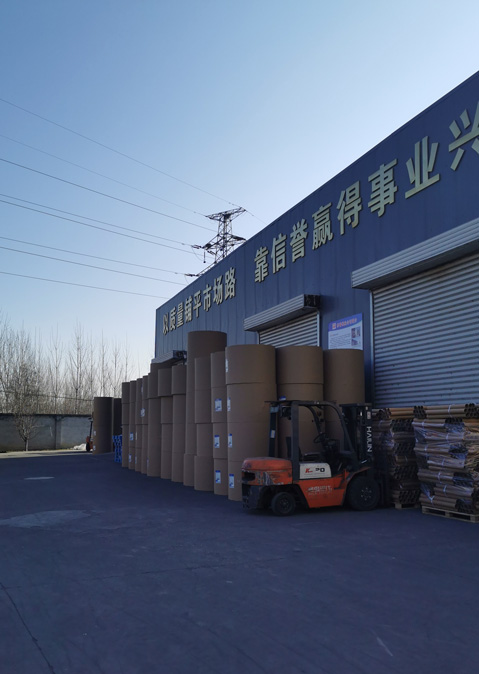
How Jingkuo integrates advanced logistics, high-grade material sciences, and digital workflow optimization to streamline B2B procurement.
We implement a closed-loop quality inspection process using online laser scanner systems. We measure and control caliper variation, surface roughness (PPS), paper brightness, moisture profile, and surface pick resistance to match ISO standards.
By leveraging advanced ERP/WMS systems, we track the entire workflow from pulp procurement to slitting, packaging, and shipping. This structure enables rapid response to order changes and ensures on-time deliveries.
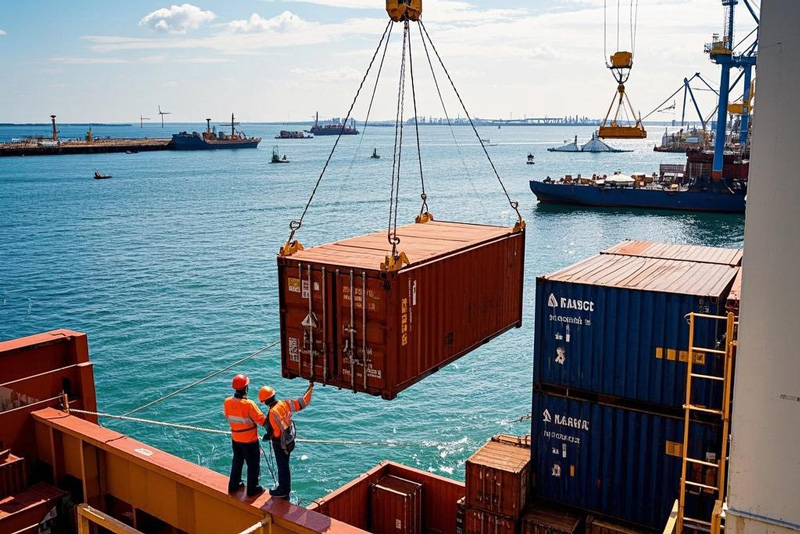
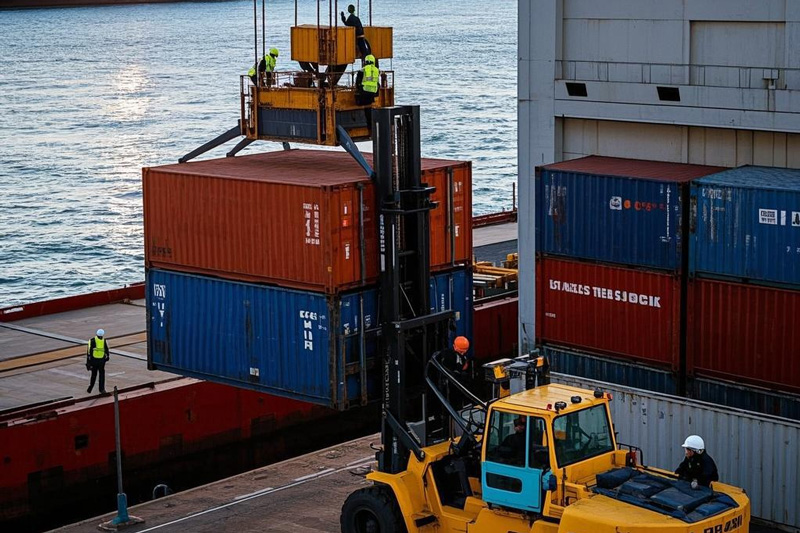
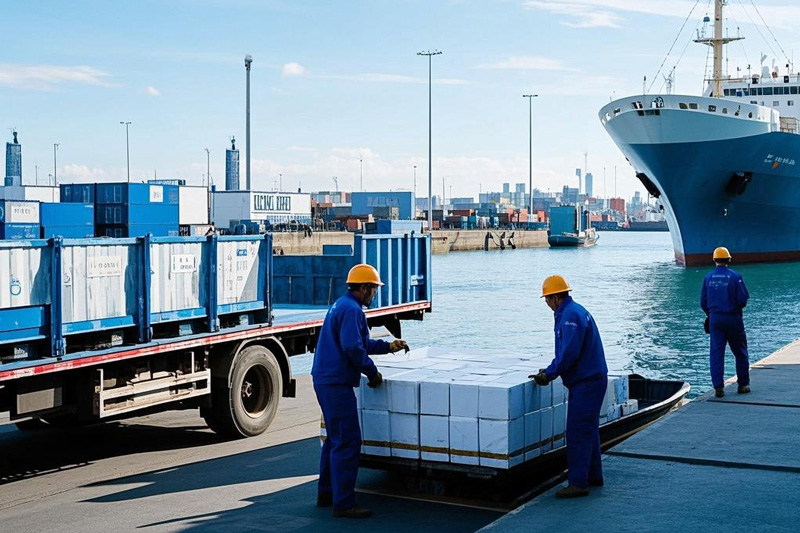
Exporting to the Middle East, Europe, Asia, and Africa, we manage complex sea freight routes, custom documentation, and local distribution networks. We also work with local dealers to secure stable supplies.
We provide full-process B2B customer support, including pre-sales technical analysis, sample runs, custom grammage development, and after-sales support, helping clients optimize their print settings.
Our location within the Tianjin Port Free Trade Zone offers cost advantages. We optimize import-export taxes, raw material storage fees, and handling expenses, passing these savings directly to our buyers.
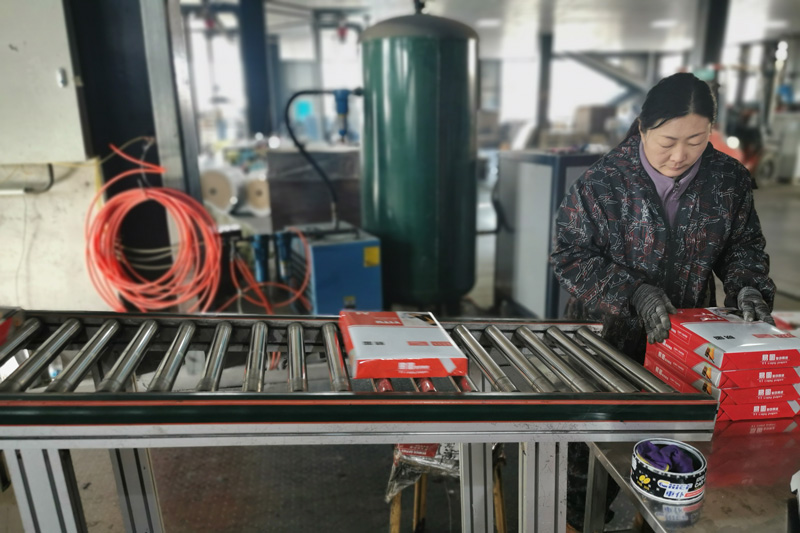
Our 60,000 square meter plant runs on a digital-first framework. Guided by our R&D and engineering teams, we run computerized slitting, automated packaging lines, and digital quality logs for batch traceability.
A B2B reference guide for choosing paper substrates based on grammage, finish, optical properties, and target applications.
| Paper Class | Coating Type | Grammage Range (GSM) | Brightness (ISO %) | Opacity (%) | Key Applications |
|---|---|---|---|---|---|
| Art Coated Paper | Double-side Blade Coated (Gloss/Matte) | 80 - 350 GSM | 90% - 94% | 92% - 98% | High-end catalogs, brochures, magazines, commercial flyers |
| Ivory Board (GC1/GC2) | Multi-layer Clay Coated (White Back) | 210 - 400 GSM | 88% - 92% | 98%+ | Cosmetic packaging, pharmaceutical boxes, luxury tags |
| Smooth Offset Paper | Uncoated Calendered Surface | 60 - 120 GSM | 92% - 96% | 86% - 94% | Book printing, corporate letterheads, manual inserts |
| Premium Kraft Paper | Uncoated / Lightweight Coated (LWC) | 70 - 150 GSM | N/A (Natural Brown / Bleached) | 95%+ | Industrial multi-wall bags, protective wraps, shopping bags |
| Medical Grade Paper | Specialized Barrier Coated (Sterilizable) | 60 - 100 GSM | 85%+ | 88%+ | Medical blister pack backing, sterile pouch packaging |
The global paper sector is undergoing a major transition driven by sustainability mandates and the growth of e-commerce. Conventional plastic-based coatings are being replaced by bio-based, recyclable barrier options. Materials like PLA (polylactic acid) and water-based dispersion coatings are allowing mills to produce food-grade packaging boards that can be processed in standard recycling systems. Additionally, the demand for high-speed digital printing has driven changes in coating formulations, with papers now featuring pre-applied priming agents to handle fast inkjet dry times.
Jingkuo is actively investing in these technologies. Our Shandong mill's production lines are being upgraded to run water-based dispersion barriers. We are also optimizing energy use by using co-generation plants and keeping raw materials within FSC (Chain of Custody) certified pathways. These improvements help commercial printers meet environmental regulations without sacrificing surface smoothness or runnability.
Discover how B2B buyers and commercial printers optimize their production margins using Jingkuo's paper solutions.

A major international retailer needed a reliable supply of packaging board for their global shipping boxes. Fluctuations in standard cardboard deliveries and raw material costs were affecting their supply chain. Jingkuo resolved this by providing a steady supply of high-strength packaging paper, utilizing our overseas warehouses for local distribution. This reduced their inventory costs and stabilized delivery timelines.

A B2B commercial printer specializing in high-end catalog printing faced increasing paper costs from local distributors. Jingkuo stepped in with our direct-from-mill premium double-coated art paper. By optimizing transit routes through our Tianjin Port Free Trade Zone infrastructure, we helped them bypass intermediaries, significantly lowering their overall cost per ton while maintaining print quality.
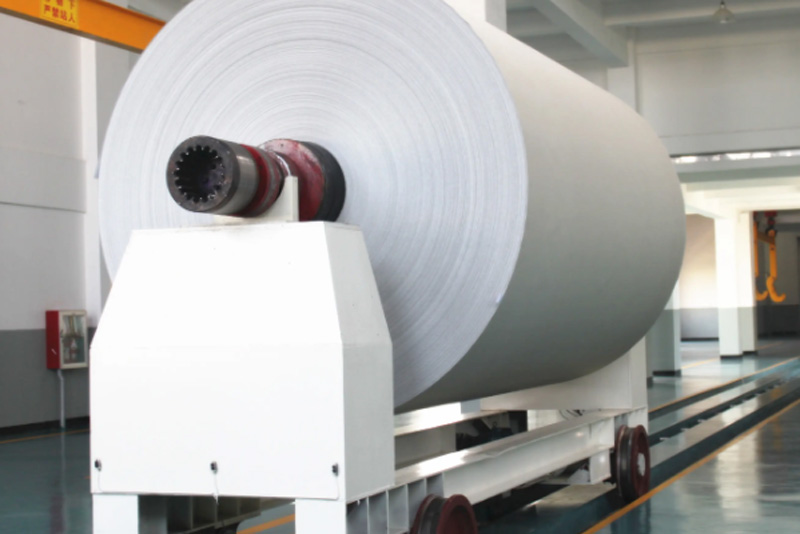
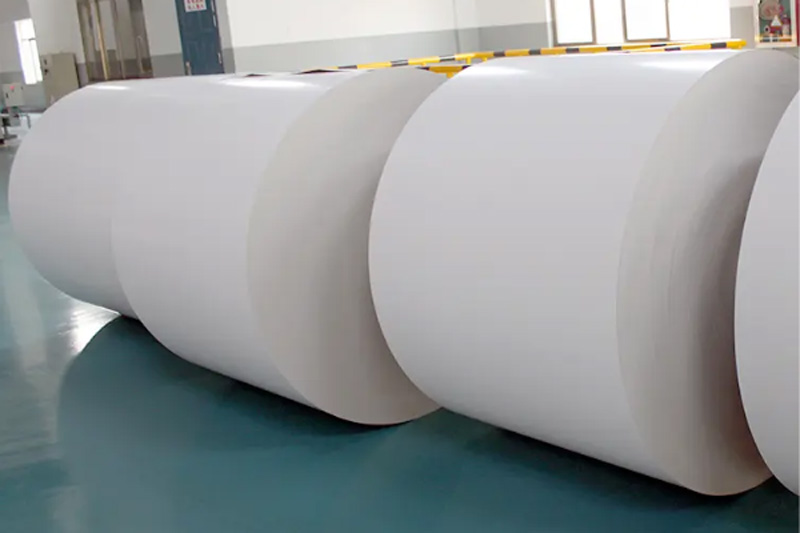
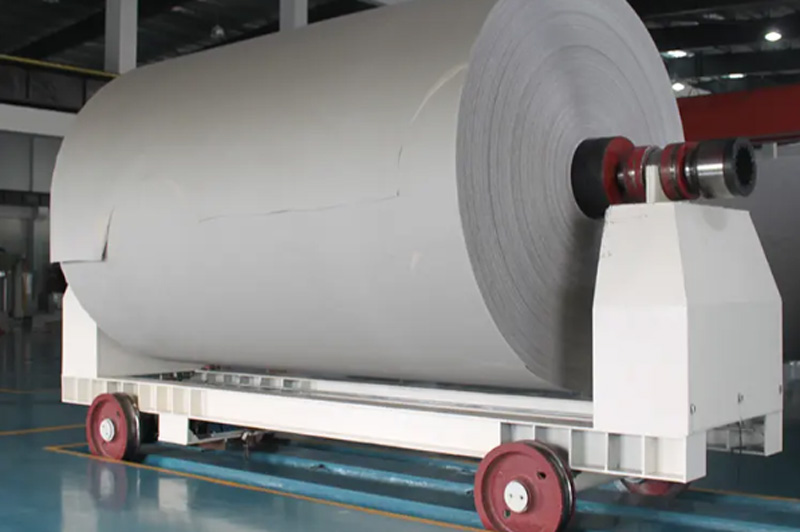
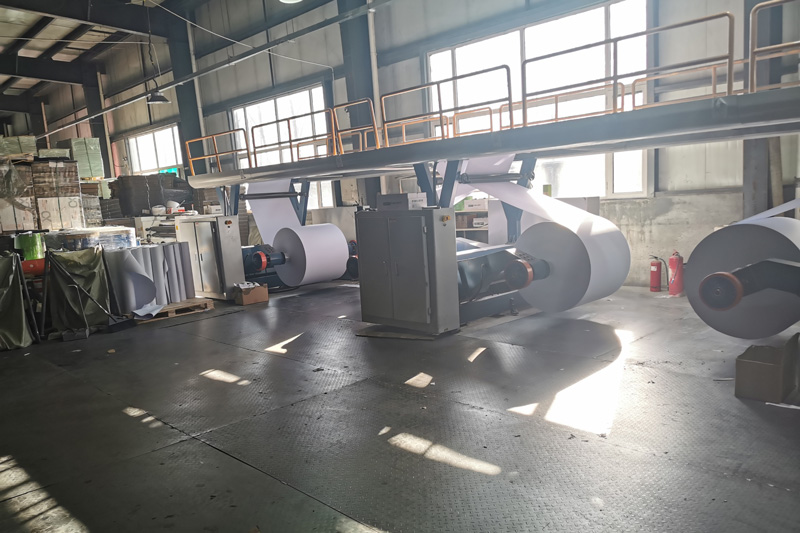
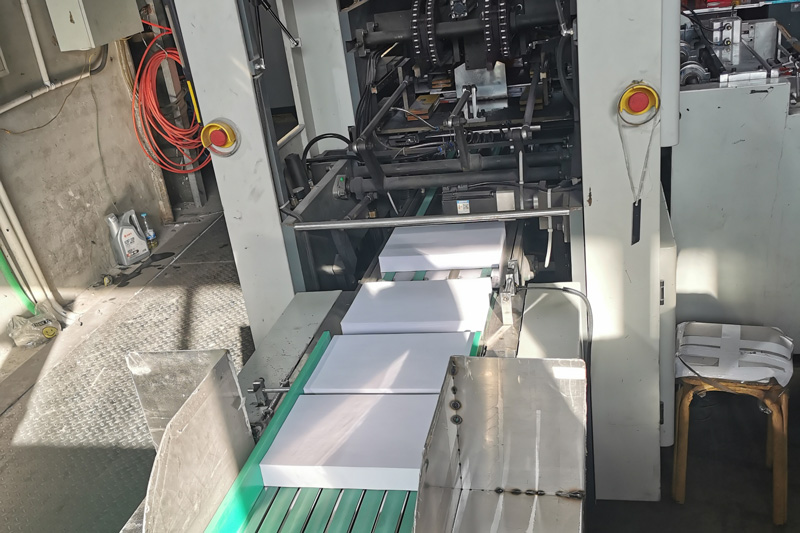
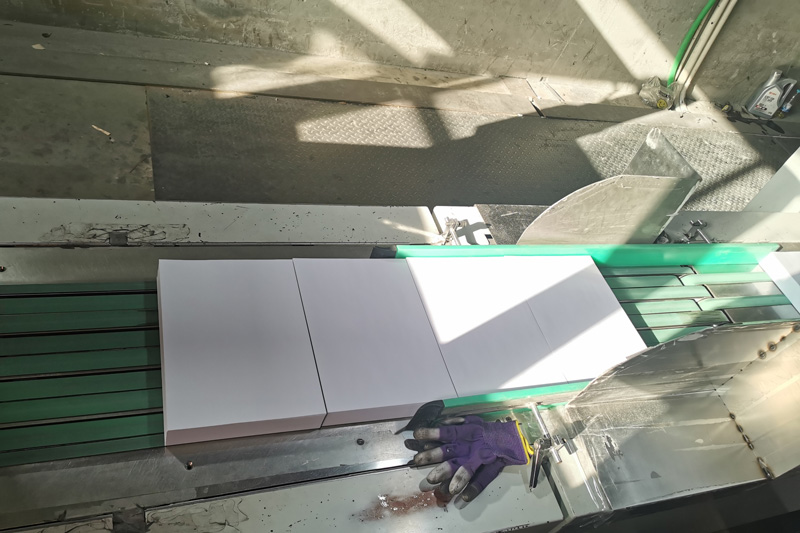
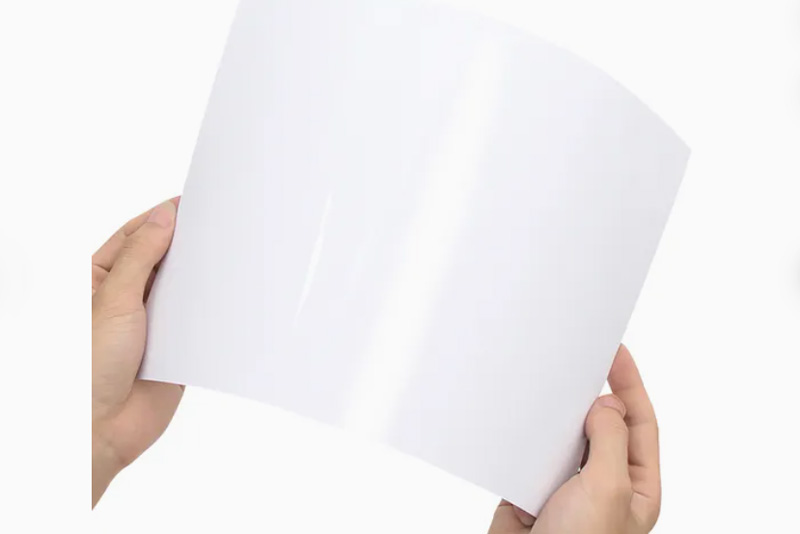
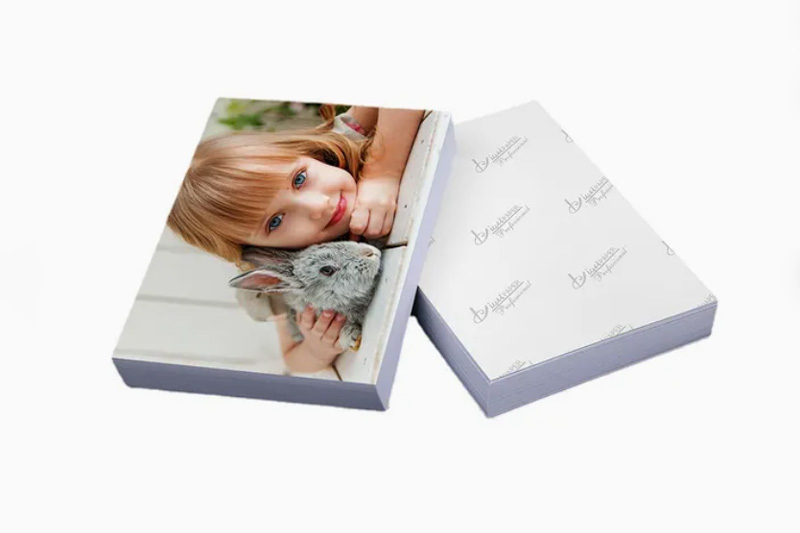
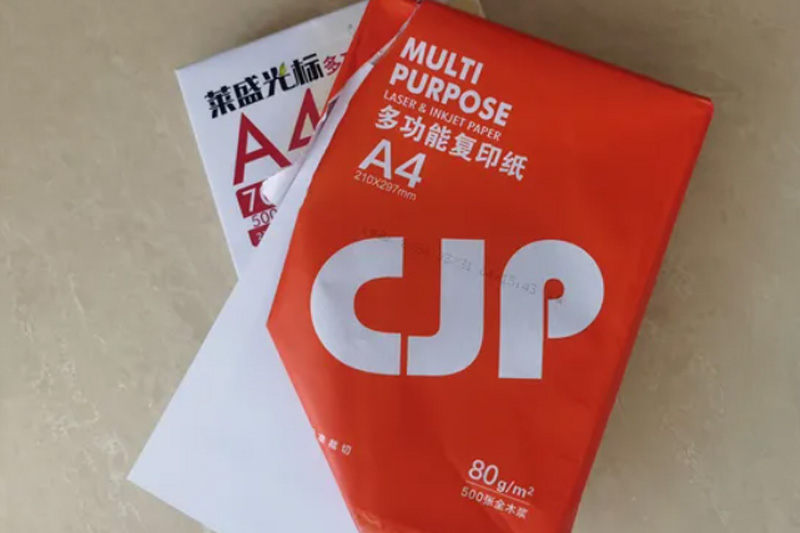
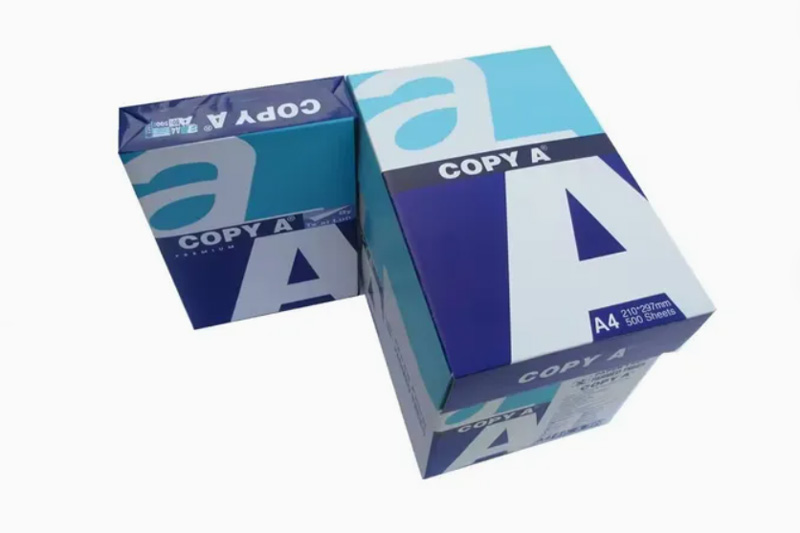
A look at our production floor, slitting machinery, quality inspection labs, and raw pulp storage warehouses.

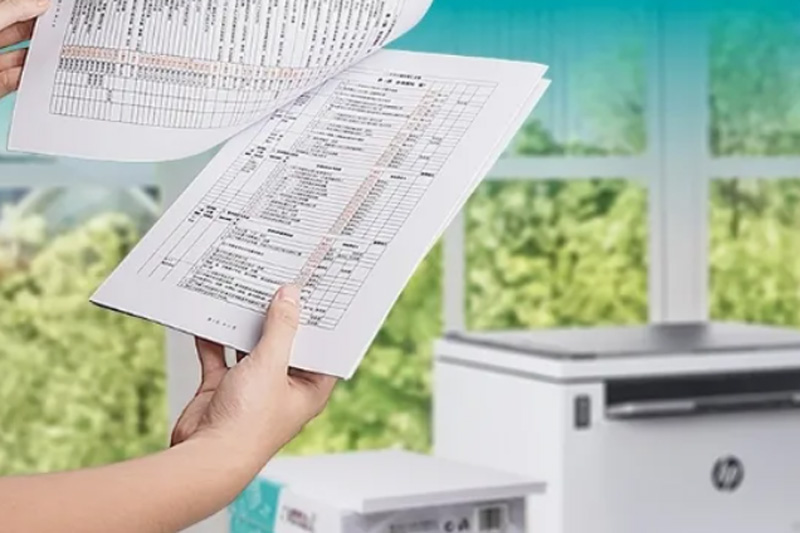
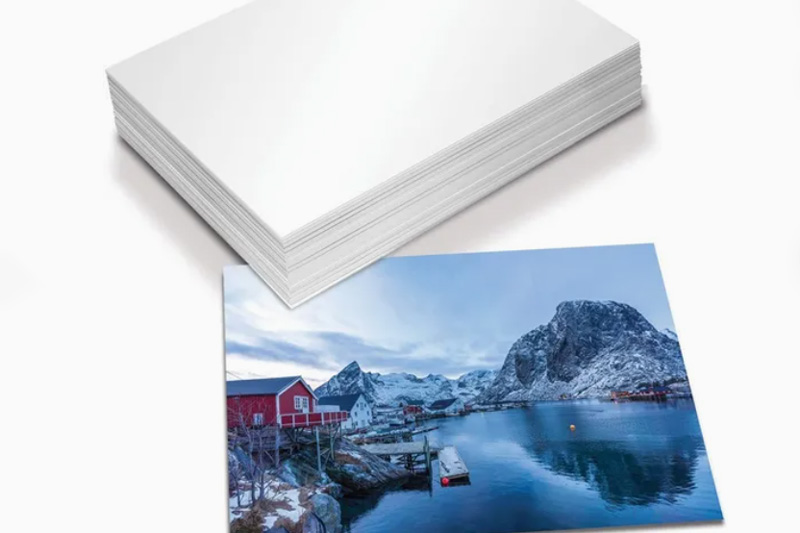

Key checkpoints for professional purchasing agents evaluating mills for bulk paper supply.
Quality inspection begins with testing ISO brightness levels and sheet opacity. Uncoated sheets require high whiteness (often over 96% ISO) using optical brighteners. Coated boards rely on clay formulas to achieve high brightness without causing print yellowing under UV exposure. Continuous spectrophotometric scanning monitors color consistency throughout the reel.
Modern offset printing presses run at high speeds (often over 15,000 sheets per hour). To prevent web breaks, paper must have high tensile strength and burst indices. The picking resistance of coatings must be high enough to withstand tack inks, preventing loose clay dust from contaminating the blankets and plates.
Uncontrolled moisture variation can cause paper to curl or wave, leading to misfeeds in printing presses. We control relative humidity to tight parameters (typically 45% - 50% RH). Reels are wrapped in moisture-resistant film immediately after slitting to ensure they remain flat and stable during shipping.
Global markets require verifiable product sourcing. Our mills run a complete chain-of-custody tracking system from raw wood pulp to finished reels. For medical, food-contact, and export applications, we supply FDA, RoHS, and PEFC/FSC documentation to support compliance requirements.
Common questions from B2B purchasing managers, production engineers, and print operators.
For custom roll widths, sheet sizes, and custom grammages, our standard MOQ is generally 20 metric tons per specification. Regular stock sizes (such as standard A4 sizes, typical 80 GSM offset rolls, or standard 250/300 GSM art board sheets) can often be supplied in smaller quantities depending on current mill inventory.
Our paper undergoes rigorous IGT testing to confirm surface strength and coating bonding, ensuring the clay coating remains intact when printing with high-tack inks. We also test caliper profile consistency across the web to prevent bagginess or runnability issues on high-speed press runs.
Our location in the FTZ allows us to store raw materials in bonded warehouses without immediate duties, streamlining our raw material costs. It also simplifies export logistics, allowing for faster customs clearance and dispatch from one of Northern China's largest sea terminals.
Yes. We provide products sourced from FSC-certified fibers upon request. Our logistics team coordinates the necessary chain-of-custody documentation, helping clients meet environmental compliance standards in the EU, North America, and other markets.
We supply traditional clay-coated options (GC1, GC2, Art board) as well as eco-friendly, plastic-free barrier coatings. These eco-friendly coatings are designed for food packaging, cosmetic boxes, and pharmaceutical cartons, providing grease and moisture resistance while remaining recyclable.
Browse our full range of technical papers, packaging materials, and office solutions designed for global industrial operations.

 Jingkuo